Free CXC Industrial Technology Paper 2 May/June 2019 past paper from 2019. Includes a worked answer key. Open the PDF, take a timed test, and study with AI on Caribbean AI.
Answer keys are free on Caribbean AI. View the answers to every past-paper question at no cost - no payment needed - with step-by-step worked solutions and instant AI marking available on Premium.
CSEC Industrial Technology Paper 2 May/June 2019 - Free CXC Past Paper with Answers
Free CXC Industrial Technology Paper 2 May/June 2019 past paper from 2019. Includes a worked answer key. Open the PDF, take a timed test, and study with AI on Caribbean AI.
Opening the interactive papers…
Every question from this paper as text. See the answers and worked solutions. Questions are the property of the Caribbean Examinations Council; Caribbean AI is not affiliated with CXC.
Answer all questions.
This paper contains metric dimensions only. You should work your answers in the metric system.
State TWO components of the natural environment.
[2 marks]
Define the term 'built environment'.
[1 mark]
Define the term 'climate change'.
[1 mark]
Suggest TWO ways in which climate change negatively impacts the Caribbean.
[2 marks]
The Kyoto Protocol is an international agreement linked to the United Nations Framework Convention on climate change.
Describe the Kyoto Protocol.
[2 marks]
State ONE advantage and ONE disadvantage of using EACH of the following building structures:
[2 marks]
Framed building structure Advantage
Disadvantage
Solid building structure Advantage Disadvantage
[2 marks]
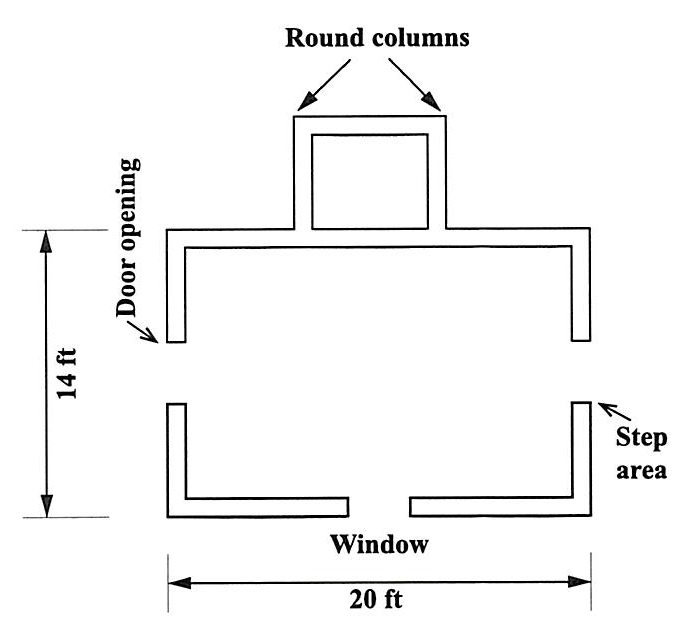
Using the plan of the small building given in Figure 1, insert the symbol used to represent EACH of the following structures indicated by the labelled arrows:
[6 marks]
Define EACH of the following terms associated with site works:
[3 marks]
Backfilling
[1 mark]
Earthing
[1 mark]
Salvaging
[1 mark]
List THREE responsibilities of a building contractor.
[3 marks]
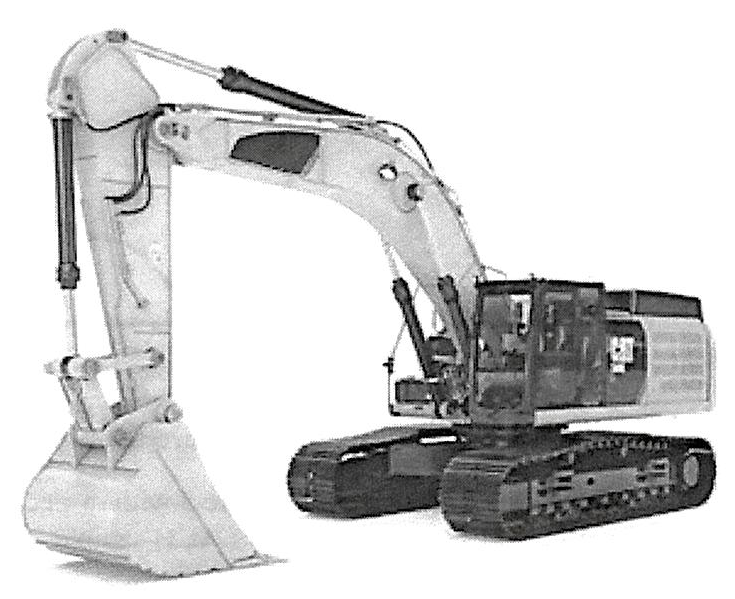
Figure 2 shows a picture of one type of excavator used in completing the foundation for a building. Tests have shown that the solid rock is approximately 2 metres below the top-soil.
Outline THREE operations that would be involved in completing the excavation required for the foundation.
[6 marks]
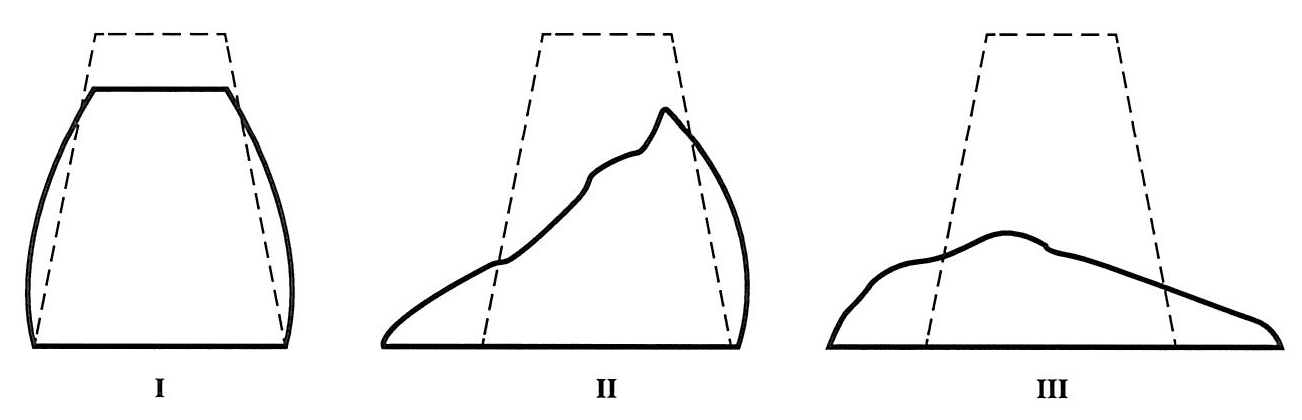
A variety of tests is used to ensure that subsequent mixes of concrete are of the same consistency. Figure 3 shows the results of slump tests conducted on three separate samples of concrete, labelled I–III that were taken from a construction site.
Figure 3. Results of slump test on concrete samples
Analyse EACH of the THREE samples in Figure 3 with respect to the desired properties of concrete, and outline your interpretation of EACH sample.
[6 marks]
Differentiate between a 'hip roof' and a 'gable roof' in relation to the type of rafters used.
[2 marks]
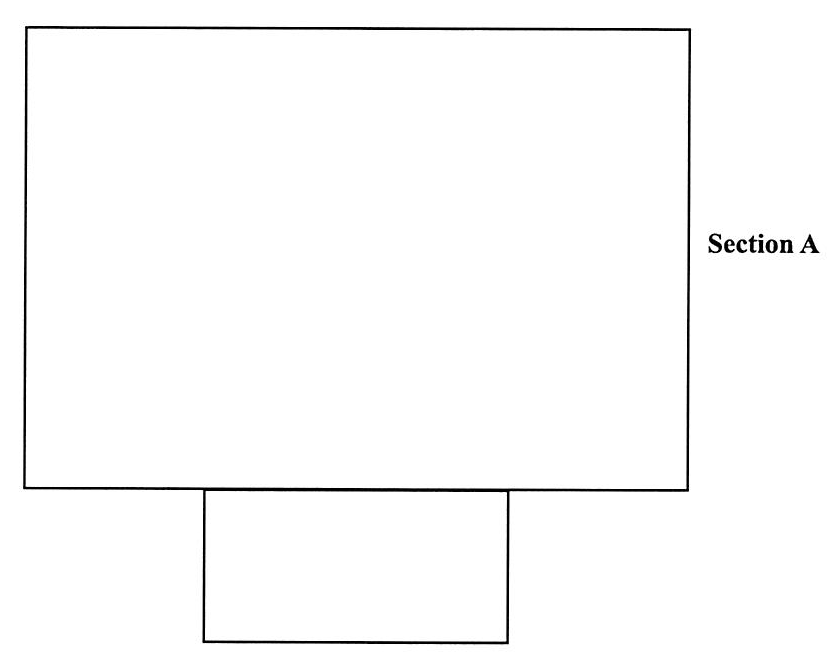
Figure 4 shows the ground floor outline of a T-shaped building. A roof is to be designed to thoroughly cover the building. The roof design should allow water to run off on each side of the building.
Figure 4. Ground floor outline of a T-shaped building
[7 marks]
On the ground floor outline of the building in Figure 4, sketch a suitable roof plan that meets the criteria given above.
[3 marks]
Label FOUR of the roof members sketched on Figure 4.
[4 marks]
State THREE sequential steps used in constructing a 'hipped and valley' roof.
[3 marks]
Calculate the length of the ridge for the roof design of Section A of the building in Figure 4. Show ALL steps in your calculation.
[5 marks]
State ONE advantage of using EACH of the following as a roof covering.
[5 marks]
Shingles
[3 marks]
Corrugated roof sheeting
[2 marks]
State ONE disadvantage of using a corrugated roof sheeting.
[1 mark]
State TWO methods of sewage disposal.
[2 marks]
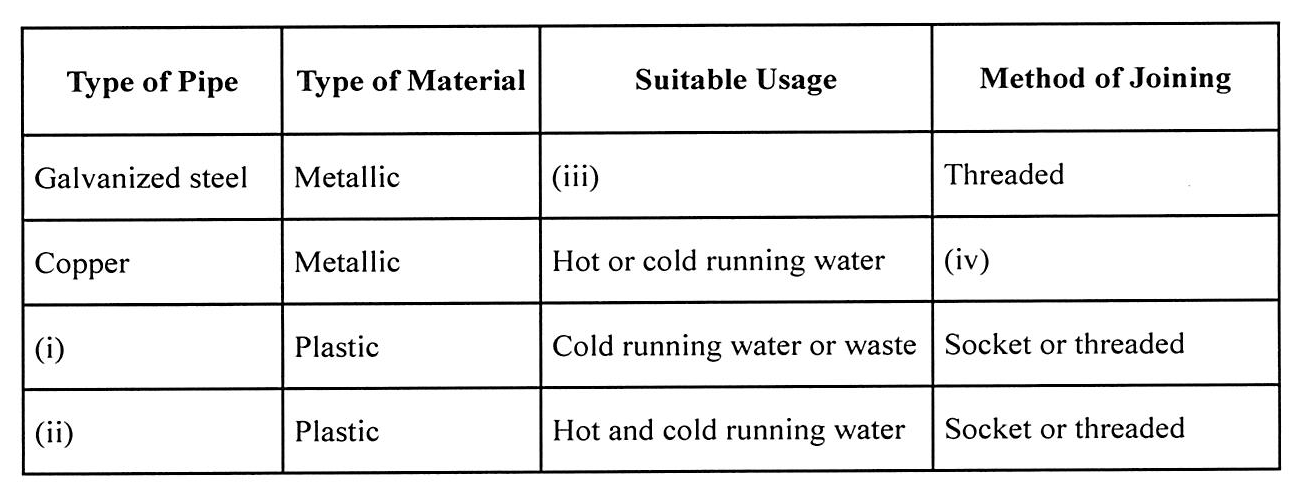
Table 1 shows types of plumbing pipes, the materials from which they are made, their uses and methods of joining.
Complete Table 1 by inserting the missing plumbing information in the spaces labelled (i)–(iv).
TABLE 1: PLUMBING MATERIALS AND THEIR USES
| Type of Pipe | Type of Material | Suitable Usage | Method of Joining |
|---|---|---|---|
| Galvanized steel | Metallic | (iii) | Threaded |
| Copper | Metallic | Hot or cold running water | (iv) |
| (i) | Plastic | Cold running water or waste | Socket or threaded |
| (ii) | Plastic | Hot and cold running water | Socket or threaded |
[4 marks]
Explain the functions of any THREE of the following plumbing fittings in a building situation:
[4 marks]
A concrete, cylindrical water storage tank measuring 1.2 m in diameter and 1.8 m high is to be installed at a dwelling house. This storage tank is to be filled with drinking water.
Calculate EACH of the following measurements of the storage tank based on the dimensions given. Show ALL steps in your calculation.
[6 marks]
Circumference of the base of the storage tank
[3 marks]
Volume of the storage tank
[3 marks]
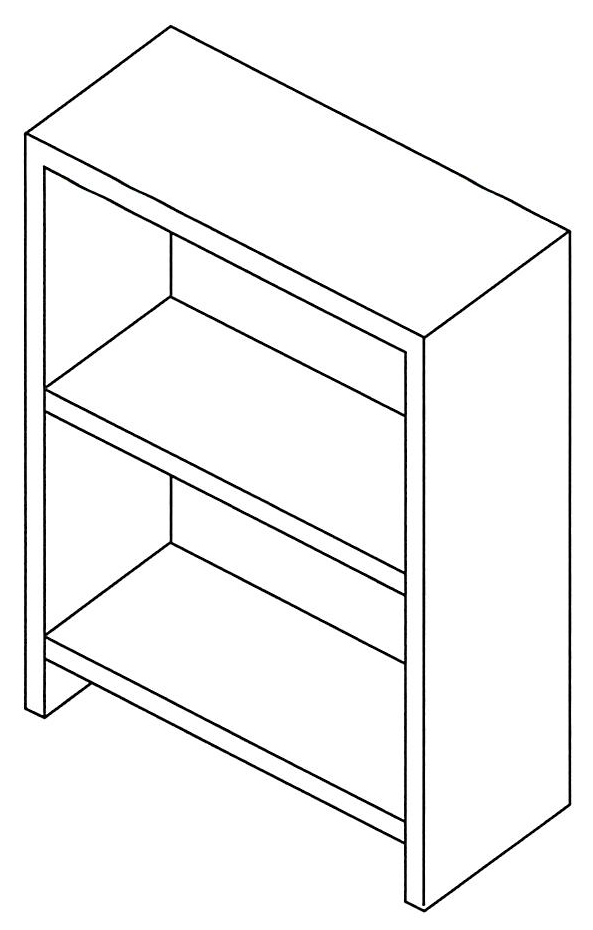
Figure 5 shows the design of a wooden shelf unit that is to be constructed for an office.
[15 marks]
Suggest TWO natural timbers and ONE man-made board that can be used in the construction of the shelf unit in Figure 5.
Natural timbers
Man-made board
[3 marks]
State ONE advantage of EACH of the following types of materials for use in constructing the shelf unit in Figure 5.
Natural timbers
Man-made boards
[2 marks]
State TWO disadvantages, other than size, of using EACH of the following types of materials in constructing the shelf units in Figure 5.
Natural timbers
Man-made boards
[4 marks]
Suggest THREE timber joints that can be used to join the parts of the shelf unit in Figure 5.
[3 marks]
List THREE steps of the procedure required to glue the parts of the shelf unit together.
[3 marks]