Free CXC Integrated Science Paper 3 May/June 2011 past paper from 2011. Includes a worked answer key. Open the PDF, take a timed test, and study with AI on Caribbean AI.
Answer keys are free on Caribbean AI. View the answers to every past-paper question at no cost - no payment needed - with step-by-step worked solutions and instant AI marking available on Premium.
CSEC Integrated Science Paper 3 May/June 2011 - Free CXC Past Paper with Answers
Free CXC Integrated Science Paper 3 May/June 2011 past paper from 2011. Includes a worked answer key. Open the PDF, take a timed test, and study with AI on Caribbean AI.
Opening the interactive papers…
Every question from this paper as text. See the answers and worked solutions. Questions are the property of the Caribbean Examinations Council; Caribbean AI is not affiliated with CXC.
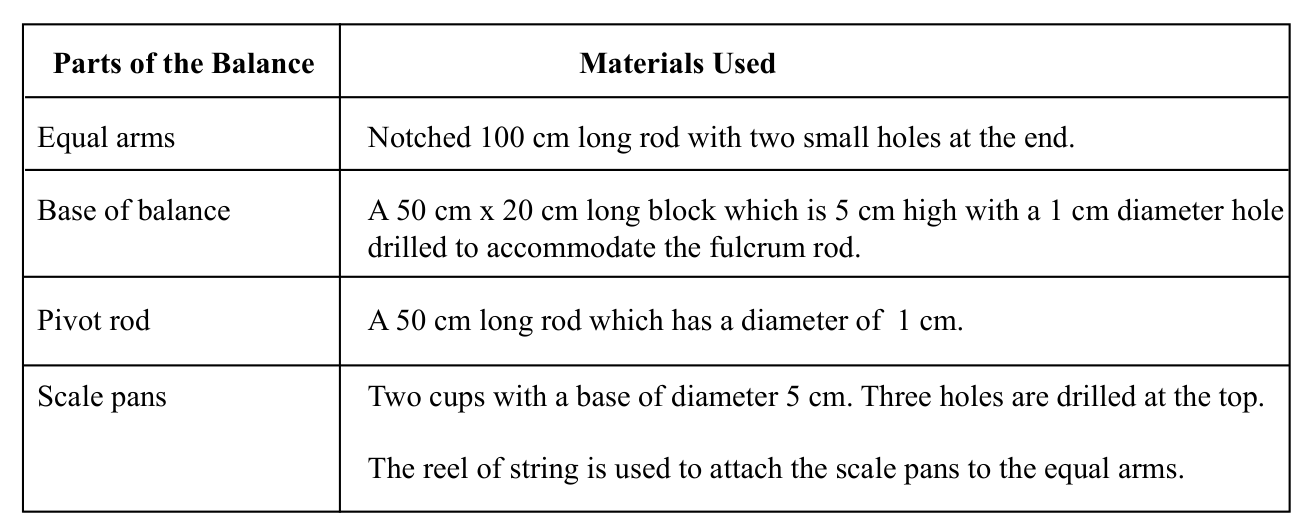
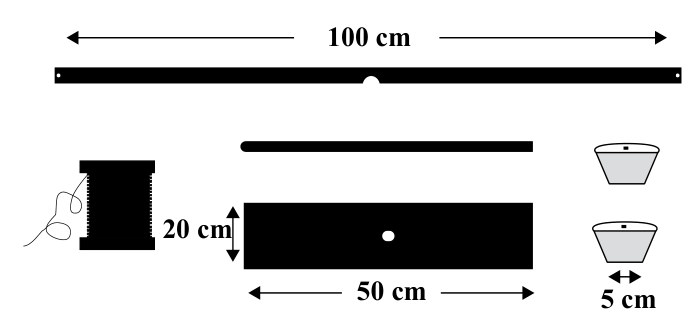
Make a large labelled drawing of the assembled balance in the space provided on page 3. Your drawing should be two dimensional and include:
[5 marks]
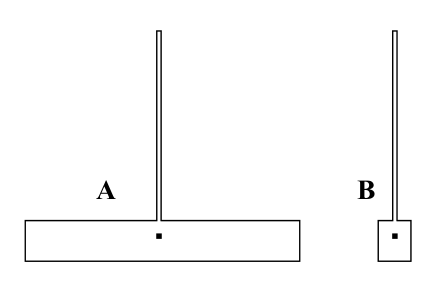
The centre of gravity of the block and pivot rod for two designs of the base block is marked by a dot in Figure 1b. Draw an arrow to represent the weight of each block and pivot rod in Figure 1b.
[1 mark]
Pivot rod and block A and pivot rod and block B have been tilted through the same angle in Figure 1c below.
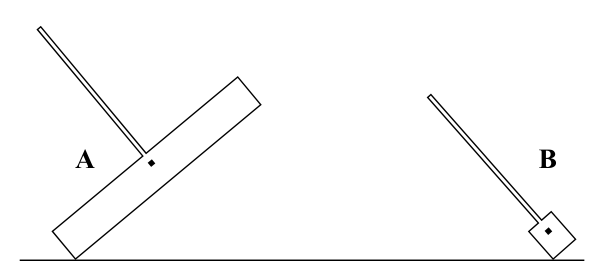
On which side will A fall when it is released?
[1 mark]
Give a reason for your answer in (c) (i) above.
[1 mark]
On which side will B fall when it is released?
[1 mark]
Give a reason for your answer in (c) (iii).
[1 mark]
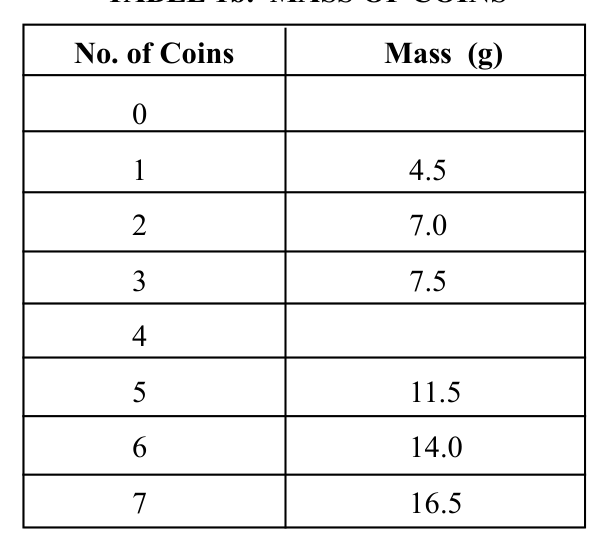
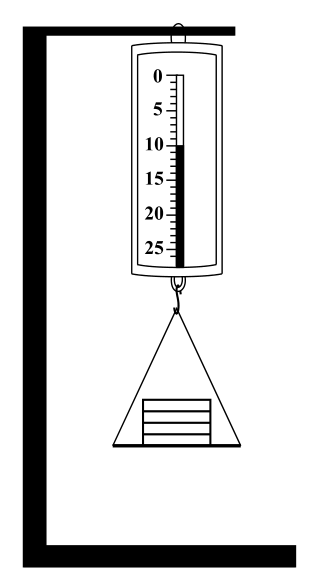
Jerome uses the spring balance in Figure 1d to find the mass of the coins he intends to use with his equal arm balance. He is curious about the effect of adding more of the same kind of coins on the spring balance, so he adds more coins to the spring and records the total mass in Table 1b.
| No. of Coins | Mass (g) |
|---|---|
| 0 | |
| 1 | 4.5 |
| 2 | 7.0 |
| 3 | 7.5 |
| 4 | 11.5 |
| 5 | 14.0 |
| 6 | 16.5 |
| 7 |
What is the reading on the scale in Figure 1d when FOUR coins are placed on the pan?
[2 marks]
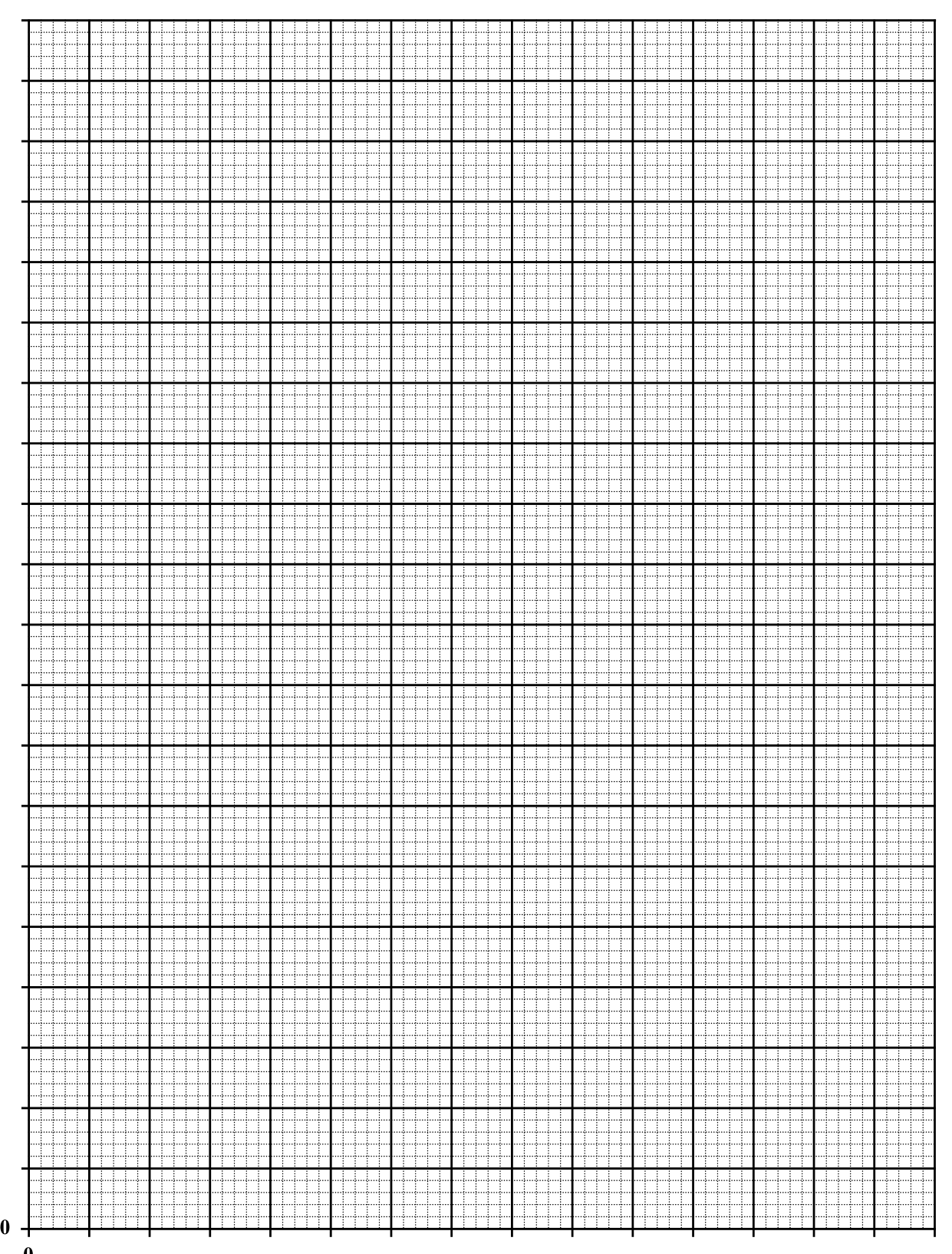
On the graph paper provided on page 6, plot a line graph of Jerome's results for the mass against the number of coins. Start both scales at 0 and include your reading for four coins in the plot. Draw the best-fit straight line. Extend the line to cut the vertical axis.
[6 marks]
Label the axes on the graph.
[1 mark]
State an appropriate title for the graph.
[1 mark]
Use your graph to determine the reading when there are no coins on the scale pan.
[1 mark]
Write a hypothesis relating the effect of adding additional coins on the mass recorded by the spring balance.
[2 marks]
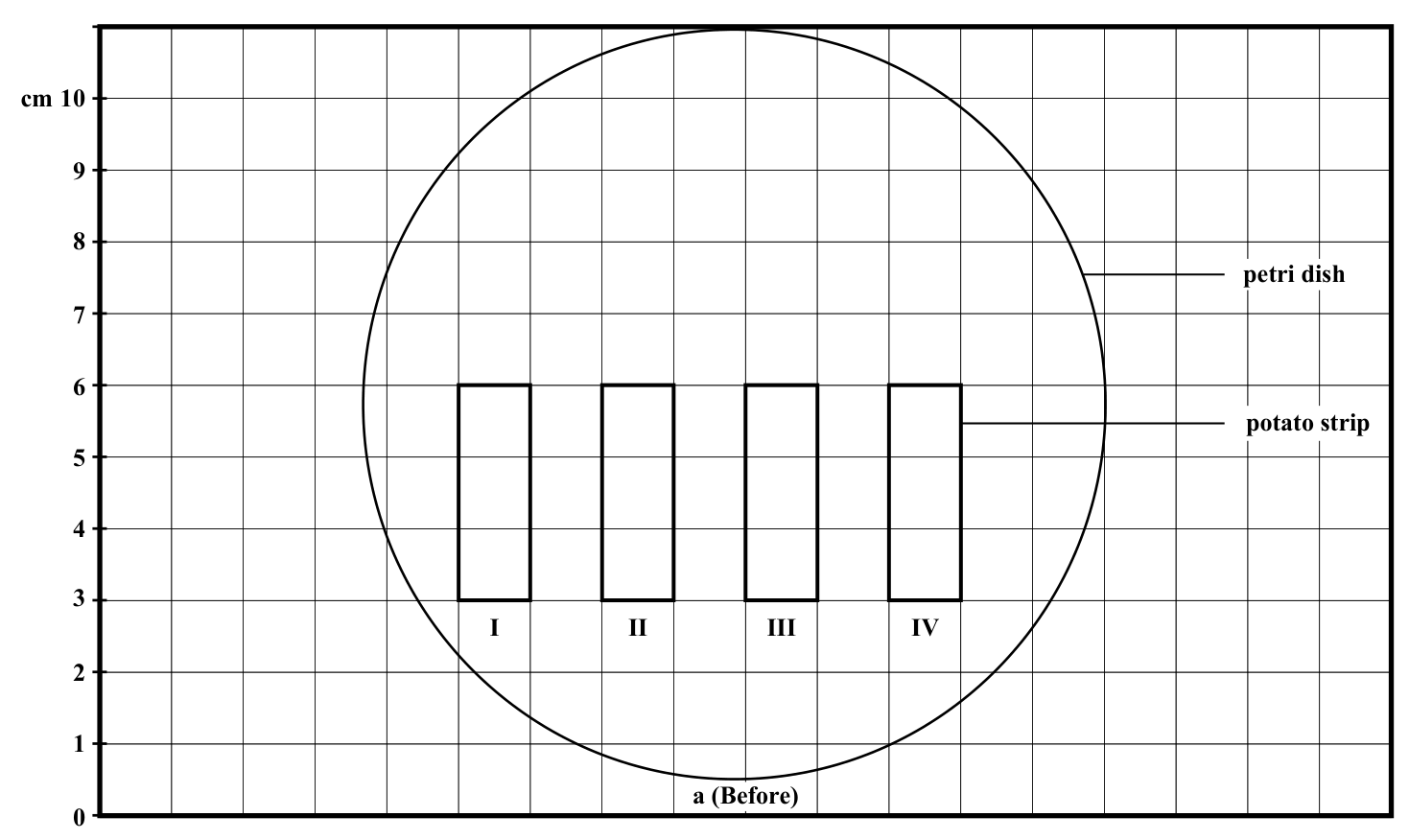
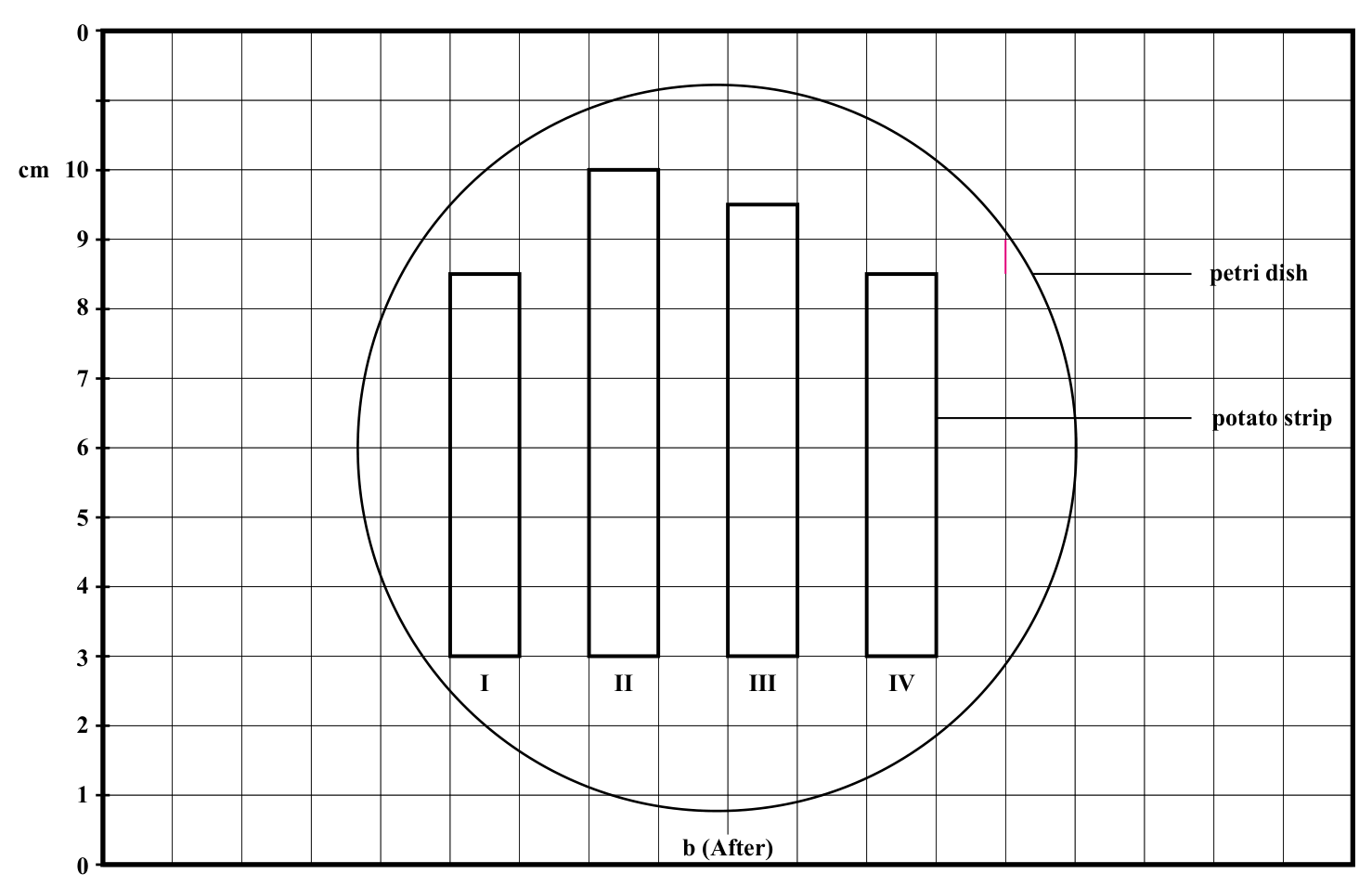
An experiment was set up to demonstrate the movement of solvent into cells. Four strips of potato were placed in a petri dish containing of water. The dimensions of the potato strips 4 hours after the start of the experiment are indicated in Figure 2a. The actual dimensions of the potato strips 4 hours after the start of the experiment are indicated in Figure 2b.
Examine the diagrams of the potato strips at the beginning of the experiment as shown in Figure 2a. Measure the length of the strips and record your measurements in Table 2.
[1 mark]
Examine the diagrams of the potato strips at the end of the experiment as shown in Figure 2b. Measure the length of the strips and record your measurements in Table 2.
[5 marks]
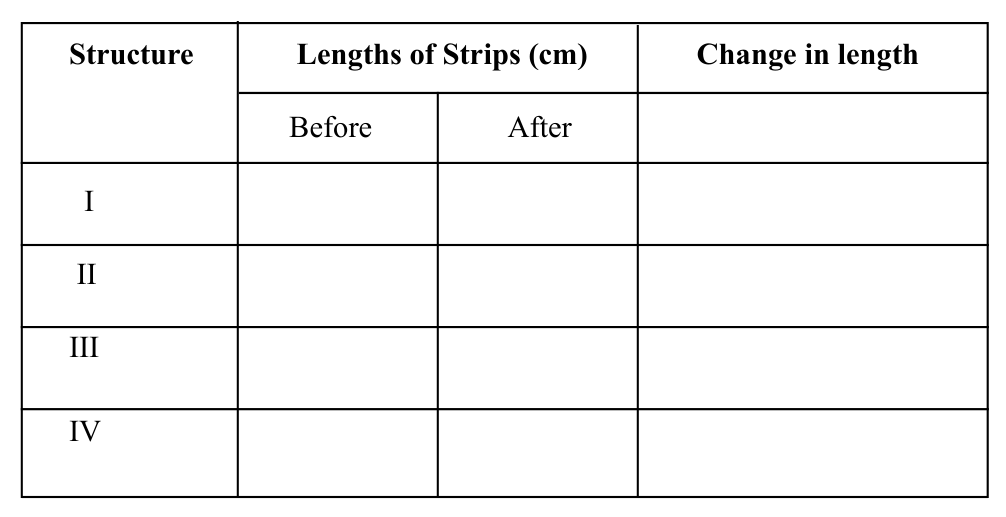
Calculate the change in length for EACH strip and write your answers in Table 2.
TABLE 2:
| Structure | Lengths of Strips (cm) | Change in length |
|---|---|---|
| Before | After | |
| I | ||
| II | ||
| III | ||
| IV |
[3 marks]
Which potato strip had the GREATEST increase in length?
[1 mark]
Suggest a reason why the length of all the potato strips did NOT increase by the same amount.
[1 mark]
What is the name of the process that is responsible for the change in length of the potato strips?
[1 mark]
Suggest a suitable title for your table in the space provided at the top of the table.
[1 mark]
State ONE variable that was controlled in the experiment.
[1 mark]
Why were four strips of potato used in the experiment?
[1 mark]
How can the experiment be modified to investigate the effect of a solute on the direction of movement of a solvent?
[1 mark]
Identify ONE variable that would be controlled in the experiment in (e) (i) above.
[1 mark]
Write a hypothesis for the modified experiment.
[1 mark]
John, a Form 4 student, washed and dried four measuring cylinders which he labelled A, B, C and D. He obtained water from four different sources, of which was poured into A, B, C and D respectively. He then added of soap solution to each cylinder. He covered each cylinder with a plastic cap and shook it until a permanent lather was formed.
John made the following observations:
Draw and label a large diagram of ONE of the measuring cylinders and its contents used in the experiment.
[2 marks]
Why was it more appropriate to use measuring cylinders than boiling tubes in the experiment?
[1 mark]
What THREE precautions should John take when using the measuring cylinders to ensure the most accurate results?
[3 marks]
Why did John wash the measuring cylinders before performing the experiment?
[1 mark]
State an appropriate aim for the experiment that John performed.
[1 mark]
List ALL the apparatus and materials that John used to perform this experiment.
[2 marks]
Record the results of the experiment in Table 3 below.
TABLE 3
[4 marks]
Write a suitable title for Table 3 above.
[1 mark]
From the results that John obtained indicate which of the samples of water, A, B, C, or D, was the HARDEST.
[1 mark]
Give a scientific explanation for your answer in (d) (i) above.
[2 marks]