Free CXC Biology Paper 1 May/June 2011 past paper from 2011. Includes a worked answer key. Open the PDF, take a timed test, and study with AI on Caribbean AI.
Answer keys are free on Caribbean AI. View the answers to every past-paper question at no cost - no payment needed - with step-by-step worked solutions and instant AI marking available on Premium.
CSEC Biology Paper 1 May/June 2011 - Free CXC Past Paper with Answers
Free CXC Biology Paper 1 May/June 2011 past paper from 2011. Includes a worked answer key. Open the PDF, take a timed test, and study with AI on Caribbean AI.
Opening the interactive papers…
Every question from this paper as text. See the answers and worked solutions. Questions are the property of the Caribbean Examinations Council; Caribbean AI is not affiliated with CXC.
The organism to which the LEAST amount of energy is available is the
small fish
large fish
mosquito larva
microscopic alga
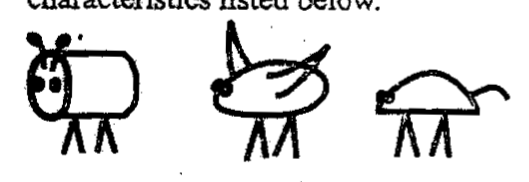
Which characteristics could be used to divide the animals into two groups?
I and III only
II and V only
III and IV only
IV and V only
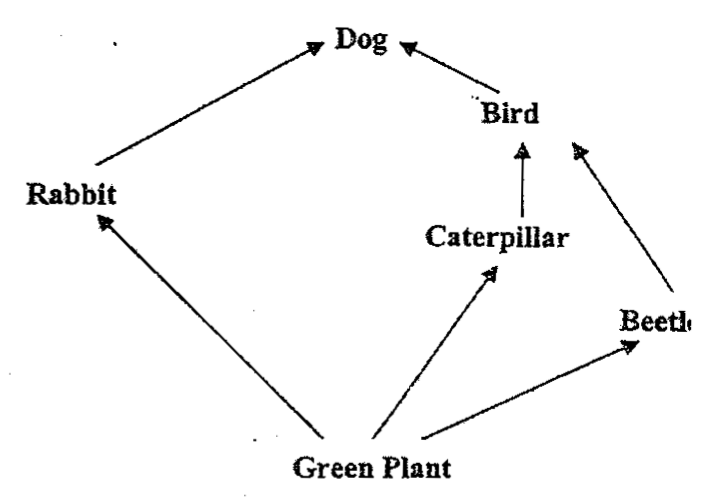
Which of the following pairs of organisms is at the same trophic level?
Beetle, caterpillar
Dog, beetle
Bird, rabbit
Dog, rabbit
When does respiration occur in plants?
All the time
Only at night
When photosynthesis stops
Only while photosynthesis is taking place
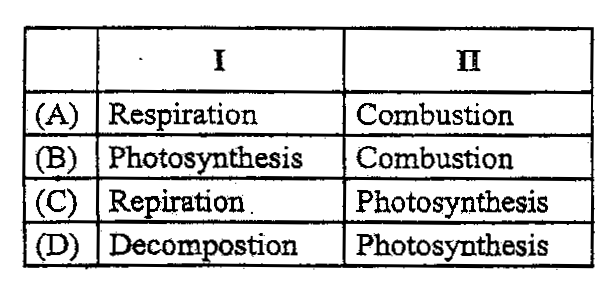
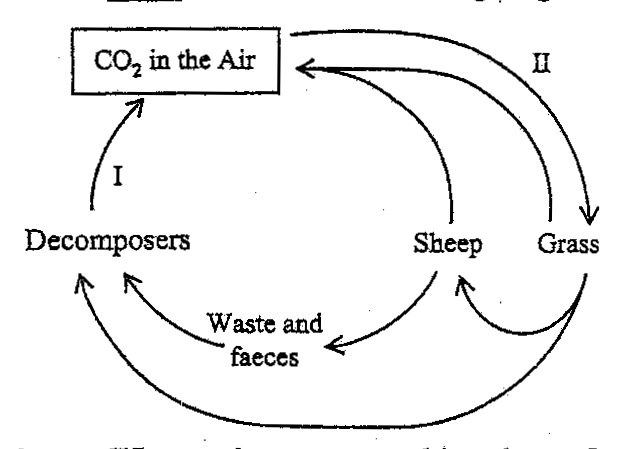
What are the processes taking place at I and II?
Respiration / Combustion
Photosynthesis / Combustion
Respiration / Photosynthesis
Decomposition / Photosynthesis
The variation in cellular structure found in any complex organism is due to a process called
growth
elaboration
metabolism
specialization
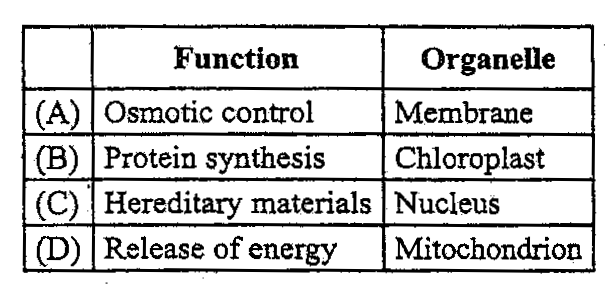
Which of the following pairs of function and organelle is NOT correctly matched?
Osmotic control / Membrane
Protein synthesis / Chloroplast
Hereditary materials / Nucleus
Release of energy / Mitochondrion
Energy is released from sugar during
photosynthesis
transpiration
respiration
nutrition
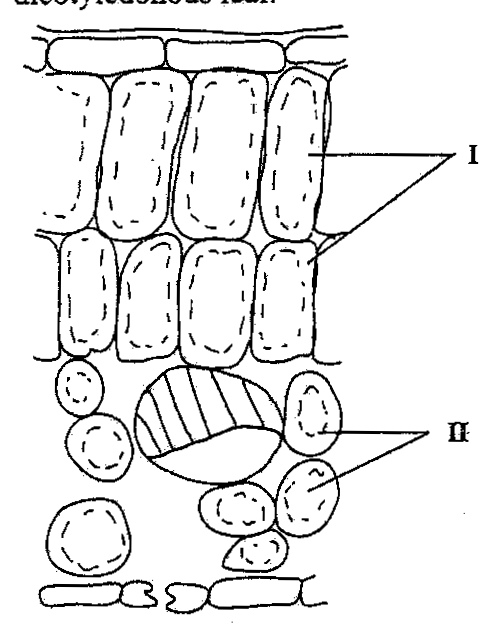
Which of the following is NOT true of the cells labelled I and II in the diagram above?
I makes most of the food.
I has a relatively larger surface area.
II receives less energy from the sun.
II possesses more chloroplasts than I.
Plant cells differ from animal cells in their ability to
control the intake of ions
control the outflow of ions
resist tugor pressure
resist plasmolysis
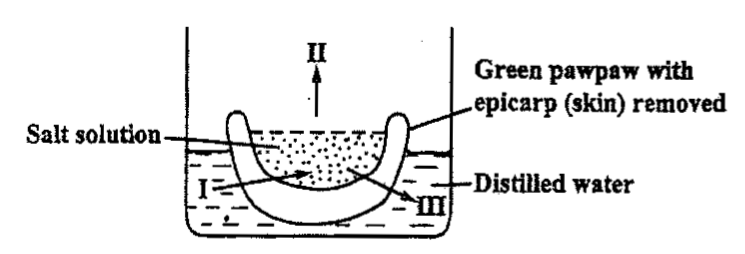
Item 11 refers to the apparatus below which was set up in a school yard on a sunny day.
After 20 minutes, movement of water should have occurred in the direction(s) of
I only
I and II only
I and III only
I, II and III
Which of the following structures found in the leaves of a flowering plant contain chloroplasts? I. Epidermis II. Mesophyll layer III. Guard cells IV. Vein
I and II only
I and III only
II and III only
II and IV only
Which of the following teeth would be MOST suitable for peeling cane or removing tough meat from a bone?
Incisors
Canines
Premolars
Molars
The part of the gut into which bile empties is the
ileum
caecum
stomach
duodenum
West Indian cherries are rich in Vitamin C. Which of the following BEST describe(s) the benefit a boy derives from consuming West Indian cherries (fruit) everyday? I. Increase in the absorption of iron II. Prevention of bleeding gums III. Increase in the absorption of calcium
I only
I and II only
I and III only
I, II and III
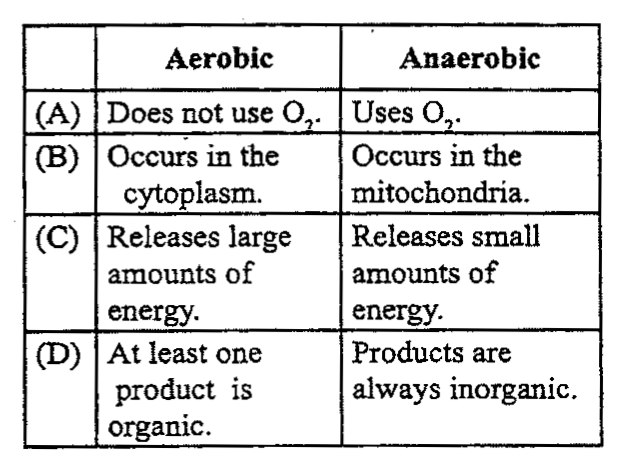
Which of the following options is true for aerobic and anaerobic respiration?
Does not use O,. Uses O, .
Occurs in the cytoplasm. Occurs in the mitochondria.
Releases large amounts of energy. Releases small amounts of energy.
At least one product is organic. Products are always inorganic.
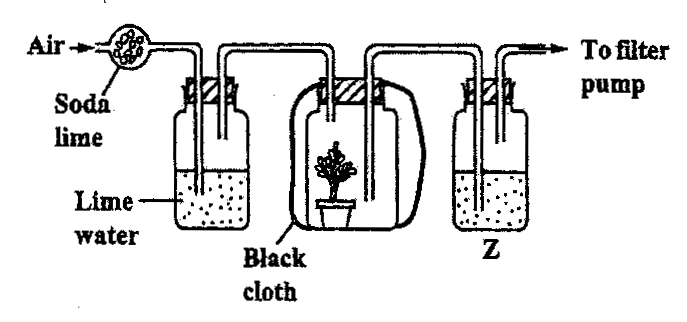
Item 17 refers to the following apparatus set up to test for products of aerobic respiration.
The solution in Jar Z should be
iodine
tap water
calcium hydroxide (lime water)
sodium hydroxide (caustic soda)
The energy released in respiration is temporarily captured in
sucrose
glycogen
adenosine diphosphate (ADP)
adenosine triphosphate (ATP)
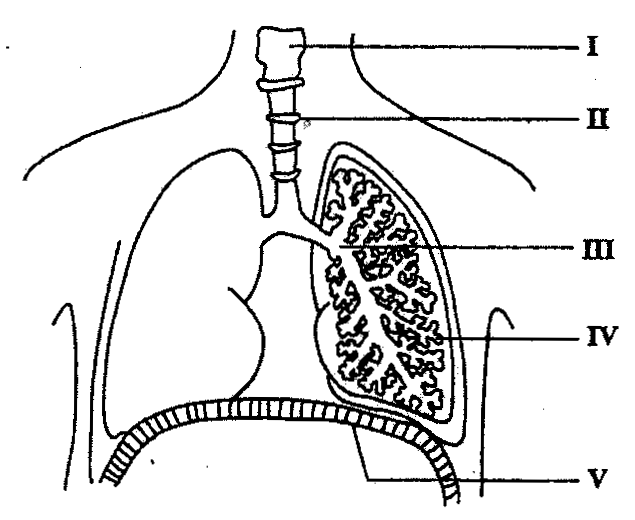
Items 19-20 refer to the following diagram of the human respiratory system.
The site of gaseous exchange is
I
III
IV
V
The volume of air within the lungs is controlled by
I
II
IV
V
As part of the sequence of the heartbeat, the ventricular muscle contracts, the atrio-ventricular valves close, and the arterial valves open. This allows blood to flow from
veins to the atria
atria to the ventricles
ventricles to the veins
ventricles to the arteries
Which of the following organisms has the LEAST need for a transport system?
Tadpole
Amoeba
Seedling
Honey bee
Human red blood cells are normally
spherical, with a nucleus
spherical, without a nucleus
disc-shaped, with a nucleus
disc-shaped, without a nucleus
A whole plant has its roots submerged for a few hours in water coloured with red ink. In which part of its leaves does the ink FIRST show up?
Vein
Epidermis
Guard cells
Mesophyll layer
Which of the following conditions INCREASES the rate of transpiration?
High humidity
Low temperature
High wind velocity
Low light intensity
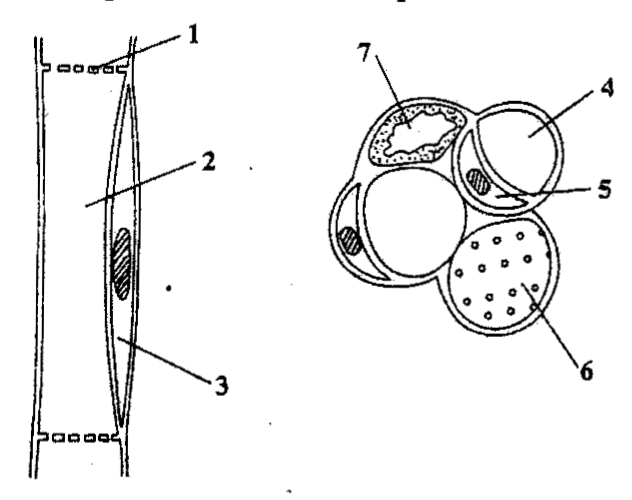
Item 26 refers to the following sections of phloem tissues from a plant stem.
Companion cells are represented by
1 and 7
2 and 5
2 and 6
3 and 5
Mineral salts are transported in plants MAINLY through the
cambium
sieve tubes
parenchyma
xylem vessels
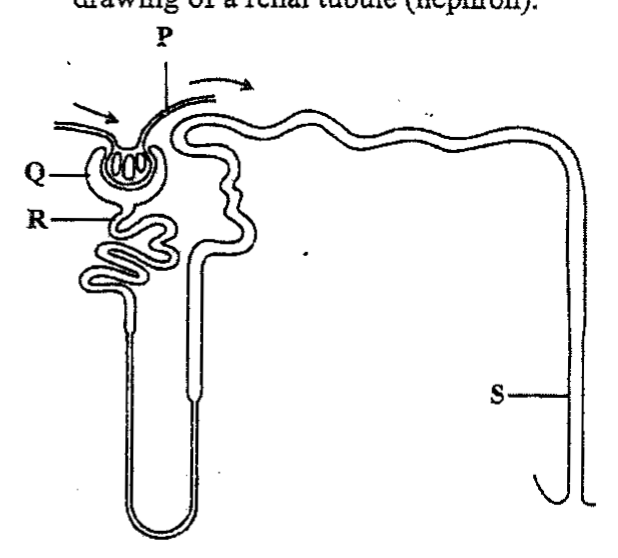
Items 28-29 refer to the following simplified drawing of a renal tubule (nephron).
The concentration of urea at S is about 60 times its concentration at R because
large quantities of urea are excreted from the body
urea passes into the tubule at various points along its length
most of the fluid in the tubule is reabsorbed before reaching S
at S, urine collects from several smaller collecting ducts
One component present in the fluid in P but not in the fluid in Q is
urea
glucose
blood proteins
blood plasma
Excretion is important in living organisms because metabolic waste products
cannot be stored
decay very readily
are very soluble substances
can poison living organisms
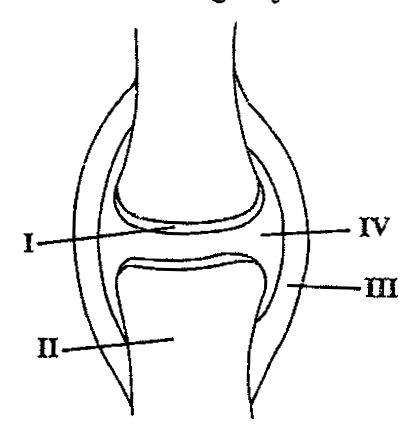
Which of the following components reduce friction?
I and II
I and IV
II and III
II and IV
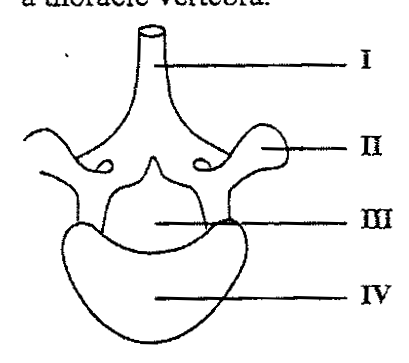
The primary function of the neural spine of the lumbar vertebra is for
attachment of muscles
movement of bones
protection of the spinal cord
support of adjacent vertebrae
Which of the following is a function of ligaments?
Preventing friction
Holding bones together
Attaching muscles to bones
Helping to lubricate joints
Nervous tissue is found at
I
II
III
IV
For several days, light reaching some seedlings was limited to one side. The seedlings bent towards the light. Which of the following BEST explain(s) this response? I. Uneven growth of the cells at the node of the stem II. Uneven growth of the cells at the region behind the tip of the stem III. Inhibition of the production of auxins on the unlit side
I only
II only
I and III only
II and III only
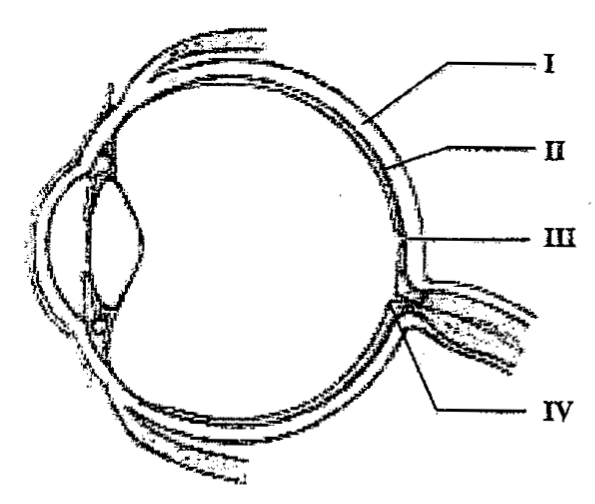
At what point is vision NOT possible?
I
II
III
IV
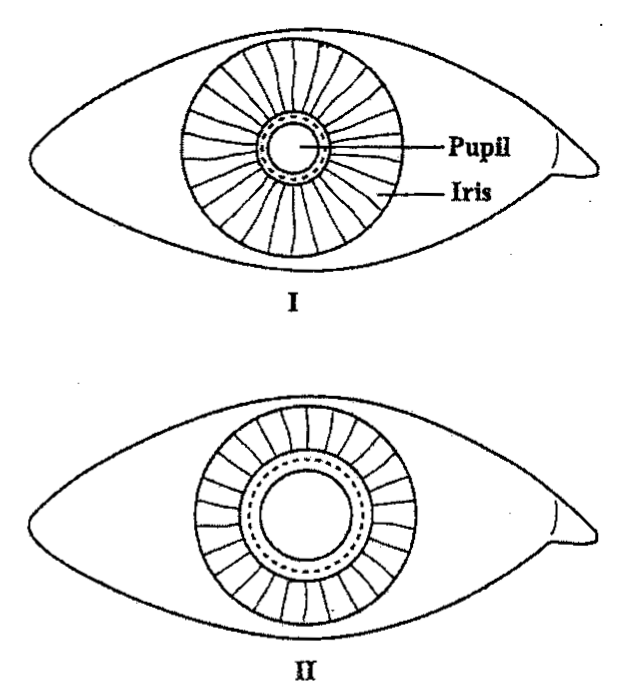
What causes the appearance in I and II to be different?
In bright and dim light the circular and radial muscles both contract.
In bright and dim light both circular and radial muscles relax.
In dim light the circular muscles relax and radial muscles contract, and in bright light radial muscles relax and circular muscles contract.
In bright light circular muscles relax and radial muscles contract, and in dim light radial muscles relax and circular muscles contract.
Items 38-39 refer to the following diagram.
When the skin of the hand touches a hot object, the sequence of impulse flow is
I → II → III
I → III → II
II → I → III
II → III → I
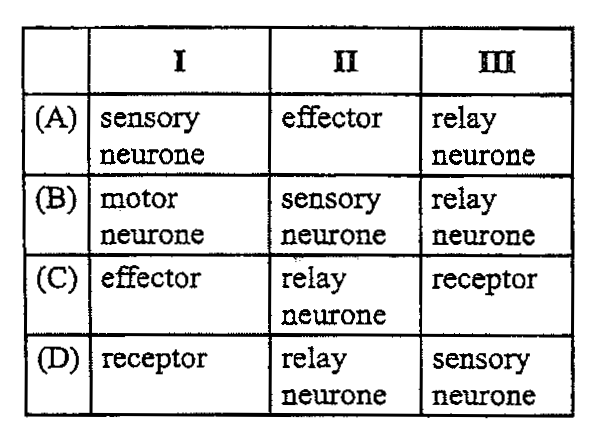
The numbered structures are
sensory neurone / effector / relay neurone
motor neurone / sensory neurone / relay neurone
effector / relay neurone / receptor
receptor / relay neurone / sensory neurone
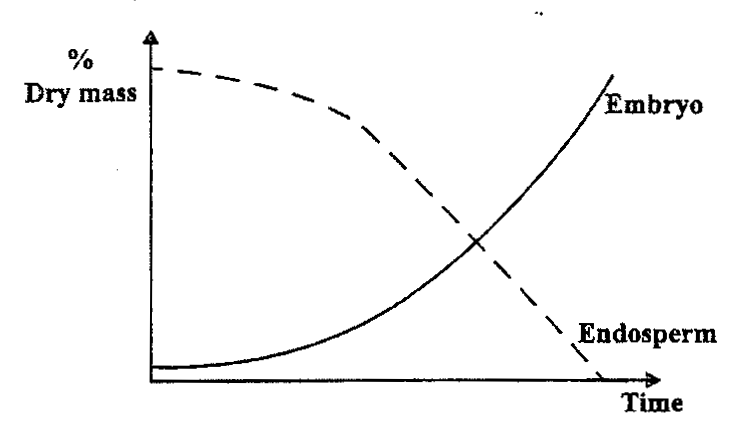
Item 40 refers to the following graph which shows changes in dry mass of embryo and endosperm during germination.
From the graph, it is true to say that
as the embryo grows, the food reserves are gradually depleted
the embryo and the endosperm decrease in mass at the same rate
the embryo and the endosperm increase in mass at the same rate
the embryo begins to grow as the endosperm increases in mass
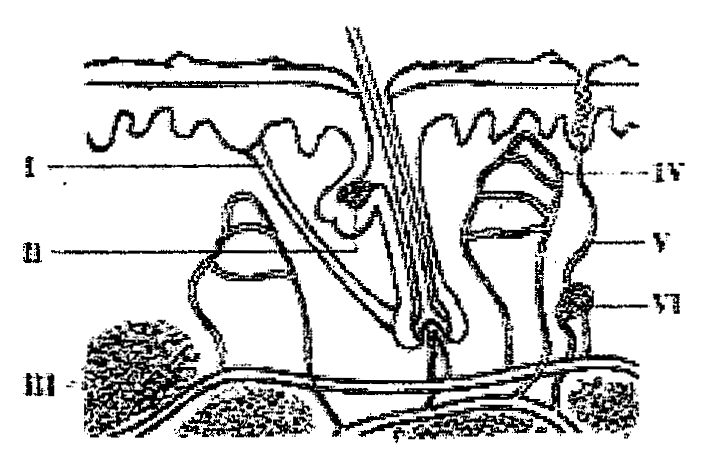
Item 41 refers to the following diagram of a vertical section through human skin.
Which structure(s) above will be involved in temperature regulation if there is a DECREASE in external temperature?
I only
II and V only
I, III and IV only
IV, V and VI only
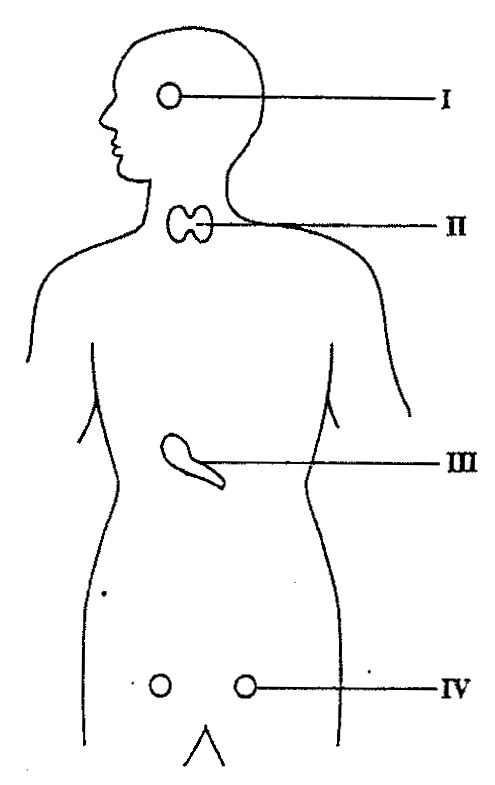
Item 42 refers to the following diagram which shows the position of some endocrine glands in humans.
In which of the following glands is follicle-stimulating hormone produced?
I
II
III
IV
Which of the following are true about the production of gametes in humans?
I. Males produce more gametes than females. II. Females produce more gametes than males. III. Males produce gametes for a longer period of their life span than females. IV. Females produce gametes for a longer period of their life span than males.
I and III only
I and IV only
II and III only
II and IV only
During pregnancy, the developing foetus receives from its mother protection against infections, a perfectly balanced diet, warmth and oxygen. Which of the following can a mother no longer provide for her new-born infant?
Food
Oxygen
Warmth
Antibodies
Oral contraceptives prevent pregnancy by
destroying sperms
preventing ovulation
destroying released eggs
preventing implantation
You have found a flower which has a long style with a feathery stigma, long filaments, no corolla and very small sepals. This flower is adapted for
I. cross-pollination II. self-pollination III. pollination by the wind IV. easy access by insects
I only
II only
I and III only
I and IV only
Seeds from the same pod were planted under the same conditions. The plants which grew from them appeared to be very similar. What is the MOST likely explanation for this occurrence?
The seeds had been formed asexually after fertilisation.
The plant from which the seeds came became vegetatively propagated.
The same pollen grain had been responsible for fertilisation of the seeds.
The plant may have been self-pollinated.
Some fowls (called Erminette) have black and white feathers evenly distributed over the body. A breeder crosses two of these fowls and finds that there are pure white, pure black and Erminette among the offspring.
What would be the expected ratio of black:white:Erminette?
1:1:1
1:1:2
1:2:1
3:1:1
In which of the following parts of the plant does the process of mitosis occur?
Phloem
Xylem
The region behind the root hair
The region behind the root tip
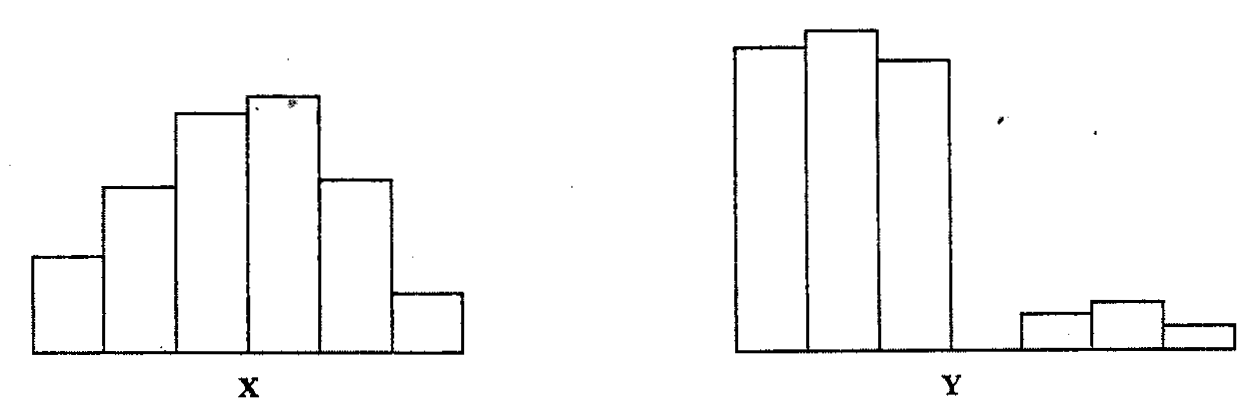
Item 50 refers to the following diagrams, plotted from data collected on a survey of human characteristics.
X and Y can both be used to show different kinds of
variation
selection
inheritance
reproduction
To which of the following groups does a disease caused by a pathogen belong?
Infectious
Deficiency
Hereditary
Physiological
Which of the following is NOT one of the body's natural ways of defending itself against infection?
Clotting
Vaccination
Action of phagocytes
Production of antibodies
Which of the methods listed below could help to reduce the spread of diseases caused by insect vectors?
I. Sterilization II. Use of insecticides III. Use of disinfectants
I only
II only
I and II only
I, II and III
Which of the following are direct consequences of disease in man?
I. Loss of man hours and productivity II. Loss of human life III. Loss of livestock and crops
I and II only
I and III only
II and III only
I, II and III
The following statements were made by a number of drug users.
I. I drink strong coffee every hour. The caffeine keeps me going. II. I have to inject myself with insulin twice a day. III. I know alcohol is not good for me so I have only three drinks a day. IV. I take antibiotics regularly in case I catch a cold.
Which of these individuals could be considered drug abusers?
I and III only
I, II and III only
I, III and IV only
II, III and IV only
Which of the following situations BEST exemplifies an ecological community?
A colony of termites
A flock of migrating birds
Flies on a piece of rotting meat
The organisms in a freshwater pond
Which of the following statements is true of inorganic fertilisers?
They help to hold water in the soil.
They improve the crumb structure of soil.,
They make nutrients available more quickly.
They do not affect soil pH.
Replanting trees on a bare hillside is an example of
conservation and afforestation
preservation and conservation
restoration and preservation
reafforestation and restoration
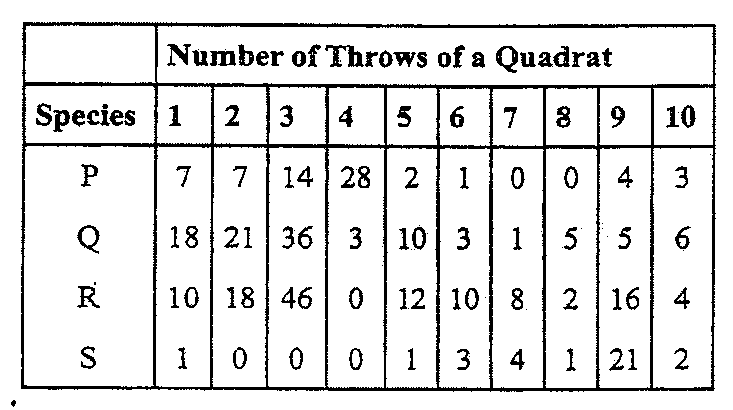
Item 59 refers to the following table. Number of Throws of a Quadrat
| Species | 1 | 2 | 3 | 4 | 5 | 6 | 7 | 8 | 9 | 10 |
|---|---|---|---|---|---|---|---|---|---|---|
| P | 7 | 7 | 14 | 28 | 2 | 1 | 0 | 0 | 4 | 3 |
| Q | 18 | 21 | 36 | 3 | 10 | 3 | 1 | 5 | 5 | 6 |
| R | 10 | 18 | 46 | 0 | 12 | 10 | 8 | 2 | 16 | 4 |
| S | 1 | 0 | 0 | 0 | 1 | 3 | 4 | 1 | 21 | 2 |
The area in which the quadrat on the third throw fell is MOST probably
under a large shade tree
close to a walkway
a very sandy area
far from a source of water
What would be the BEST method of investigating the range of organisms found between the low tide mark and the high tide mark on a sloping, rocky sea shore?
Using a line transect
Using large quadrats
Taking a complete census of the area
Collecting as many species as possible