Free CXC Integrated Science Paper 2 May/June 2012 past paper from 2012. Includes a worked answer key. Open the PDF, take a timed test, and study with AI on Caribbean AI.
Answer keys are free on Caribbean AI. View the answers to every past-paper question at no cost - no payment needed - with step-by-step worked solutions and instant AI marking available on Premium.
CSEC Integrated Science Paper 2 May/June 2012 - Free CXC Past Paper with Answers
Free CXC Integrated Science Paper 2 May/June 2012 past paper from 2012. Includes a worked answer key. Open the PDF, take a timed test, and study with AI on Caribbean AI.
Opening the interactive papers…
Every question from this paper as text. See the answers and worked solutions. Questions are the property of the Caribbean Examinations Council; Caribbean AI is not affiliated with CXC.
The Allens live in a house which overlooks the sea.
Suggest ONE method that can be used to protect the steel windows from rusting.
[1 mark]
Give a reason for your answer in a (i).
[1 mark]
Name TWO factors which may affect the rate of rusting.
[2 marks]
Mr Allen buys two common cleaners for use on the outdoor concrete floor: muriatic acid and lye. The labels reveal that the acid is hydrochloric acid and the lye is sodium hydroxide.
Suggest TWO possible dangers to Mr Allen when he uses these cleaners.
[2 marks]
Name ONE piece of safety equipment which Mr Allen should wear when using these cleaners.
[1 mark]
Which of the two common cleaners has a HIGHER pH?
[1 mark]
The label for a popular brand of antacid indicates that the active ingredient is calcium carbonate.
Name the chemical process by which the base, calcium carbonate, reacts with excess stomach acid.
[1 mark]
Write a simple word equation to express the chemical reaction in (c) (i).
[1 mark]
How is the calcium obtained from the antacid used by the body?
[1 mark]
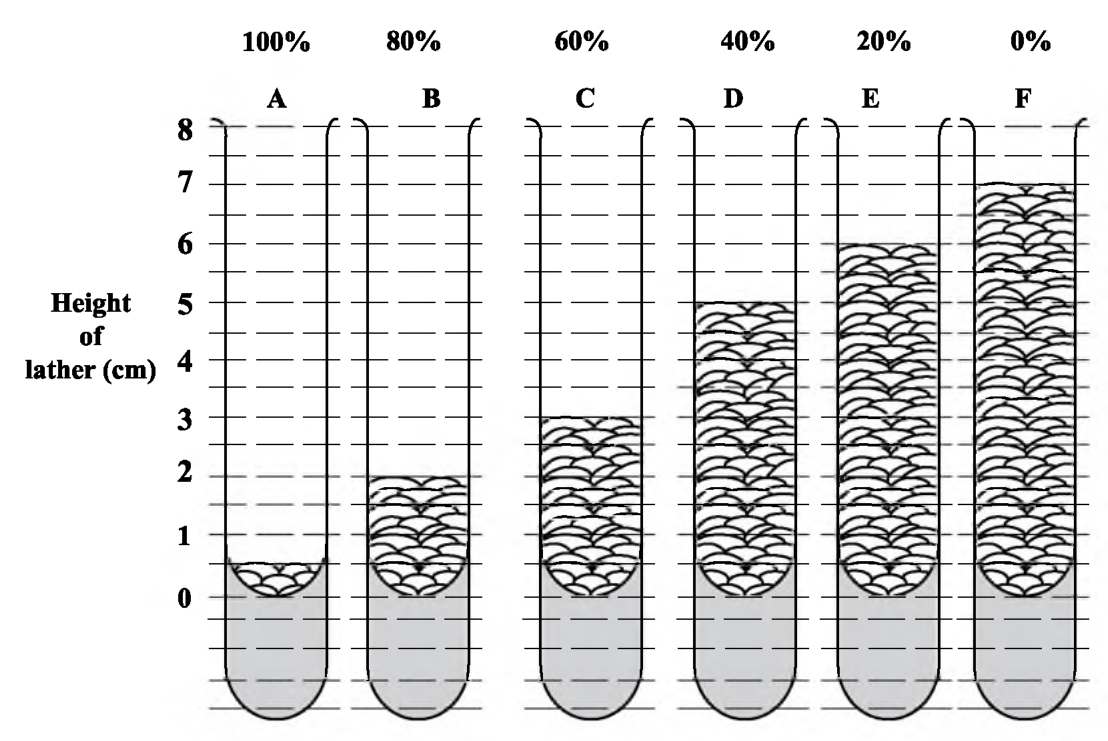
Myra produces very hard water in the laboratory by making a concentrated solution of magnesium sulphate. She places of this solution in test tube A. Using distilled water and the concentrated solution, she makes solutions of 20%, 40%, 60% and 80% strength. She places of these solutions in test tubes B, C, D and E respectively. She adds distilled water to Tube F. She adds four drops of liquid soap to each test tube and shakes each test tube ten times. The results are presented in Figure 1.
| Sample Strength (%) | 100 | 80 | 60 | 40 | 20 | 0 |
|---|---|---|---|---|---|---|
| Height of Lather (cm) |

Read the height of EACH lather column from Figure 1 and record it in the appropriate section of Table 1.
| Sample Strength (%) | 100 | 80 | 60 | 40 | 20 | 0 |
|---|---|---|---|---|---|---|
| Height of Lather (cm) |

[3 marks]
On the grid provided on page 5, plot the data from the table completed in (i) above.
[4 marks]
Label the axes on the graph.
[1 mark]
State an appropriate title for the graph.
[1 mark]
Write a statement about the relationship between the height of lather obtained and the hardness of the water.
[1 mark]
Mr Singh is farming on very sandy soil in the Caribbean.
Why does water in puddles quickly disappear into the ground on the farm after a shower of rain?
[1 mark]
Mr Singh has a pond which he lines with clay so that it can retain water in the dry season. Explain how the clay reduces the amount of water that seeps into the soil in the dry season.
[1 mark]
Describe TWO methods that Mr Singh may use to preserve the fertility of the soil on his farm.
[2 marks]
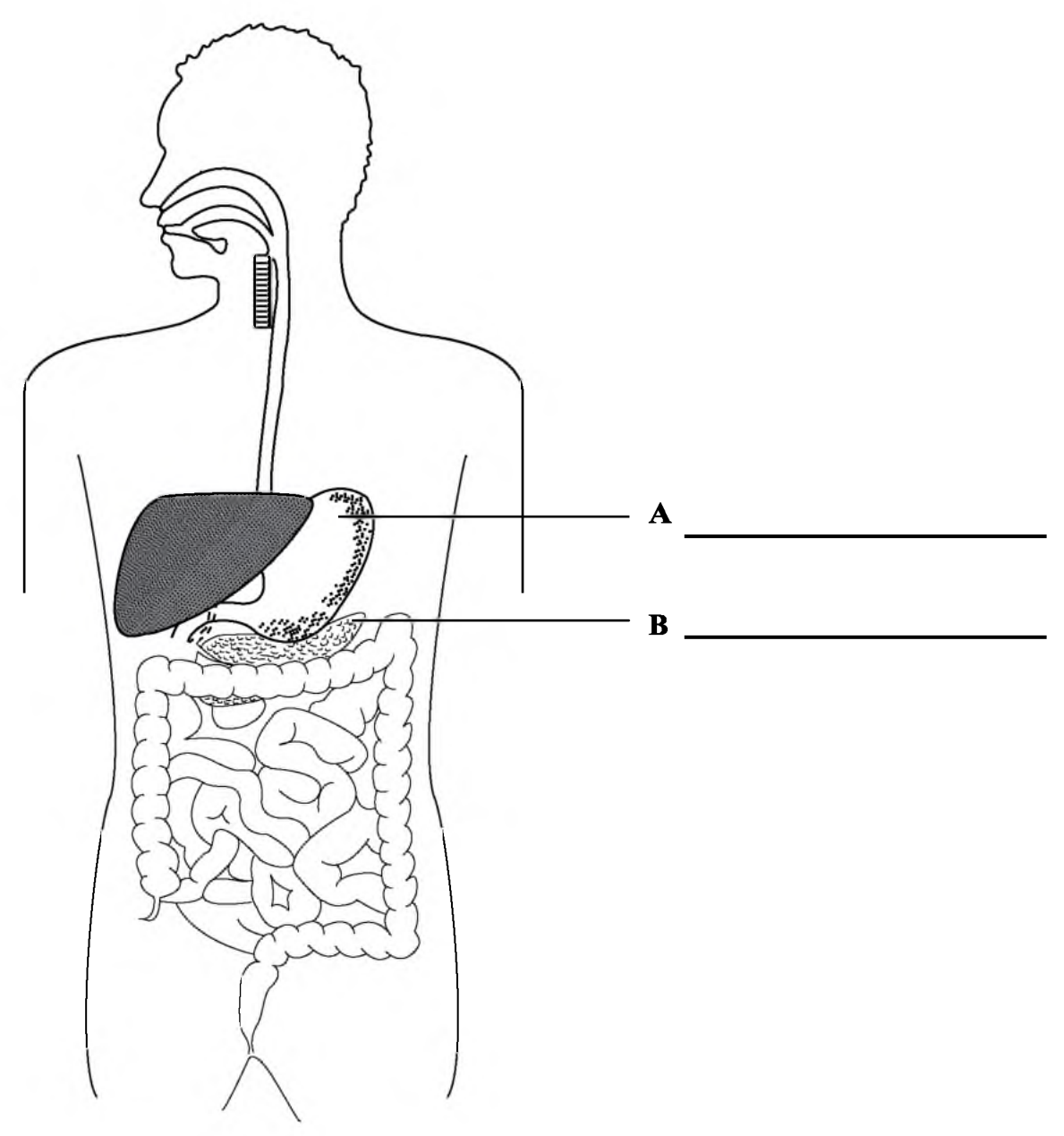
Figure 2 shows a diagram of the human digestive system.
Identify the structures labelled A and B. Write your answers in the spaces provided.
[2 marks]
On the diagram, draw a line and label it C to represent the area where MOST nutrients are absorbed.
[1 mark]
Complete the dental formula below to represent the number of teeth in an adult man who has all of his teeth in place.
| Incisors | Canines | Premolars | Molars |
|---|---|---|---|
| 2 | 2 | ||
| 2 | 2 |
[2 marks]
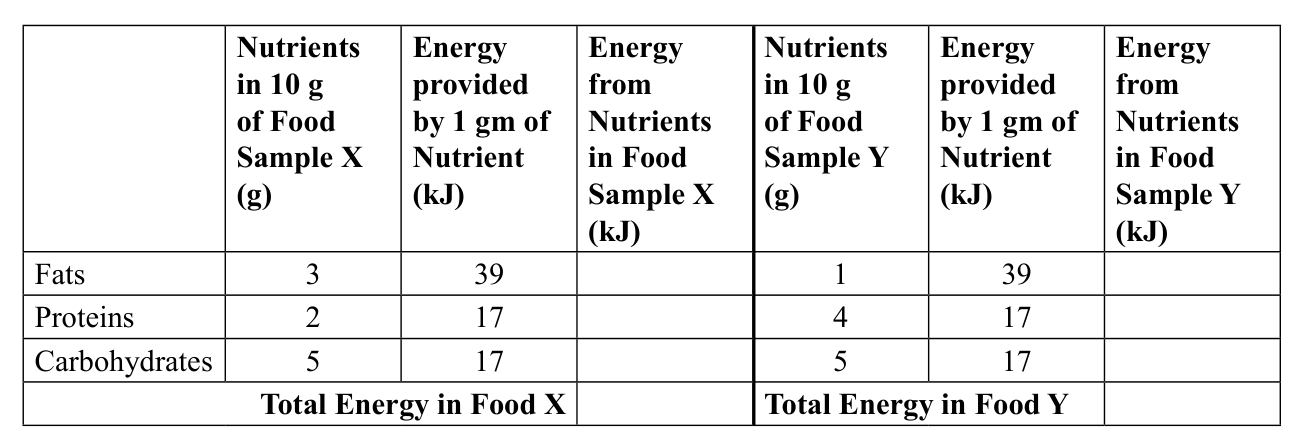
In a science laboratory, Josh and Sue carried out experiments to measure the composition of of samples of Foods X and Y. Table 2 shows the composition and the energy values of each sample of food.
| Nutrients in of Food Sample X (g) | Energy provided by of Nutrient (kJ) | Energy from Nutrients in Food Sample X (kJ) | Nutrients in of Food Sample Y (g) | Energy provided by of Nutrient (kJ) | Energy from Nutrients in Food Sample Y (kJ) |
|---|---|---|---|---|---|
| Fats | 3 | 39 | 1 | 39 | |
| Proteins |
Using the information in Table 2 determine which food sample provides MORE energy.
[3 marks]
Which food sample, X or Y, would be more suitable for an athlete, a growing child and a person with his gall bladder removed? Give ONE reason for EACH answer.
An athlete Reason
A growing child Reason
A person with his gall bladder removed Reason
[6 marks]
The children want to swim immediately after having lunch but their mother insists that they wait for at least two hours to allow their food to digest.
Give a reason why they should NOT swim so soon after eating.
[1 mark]
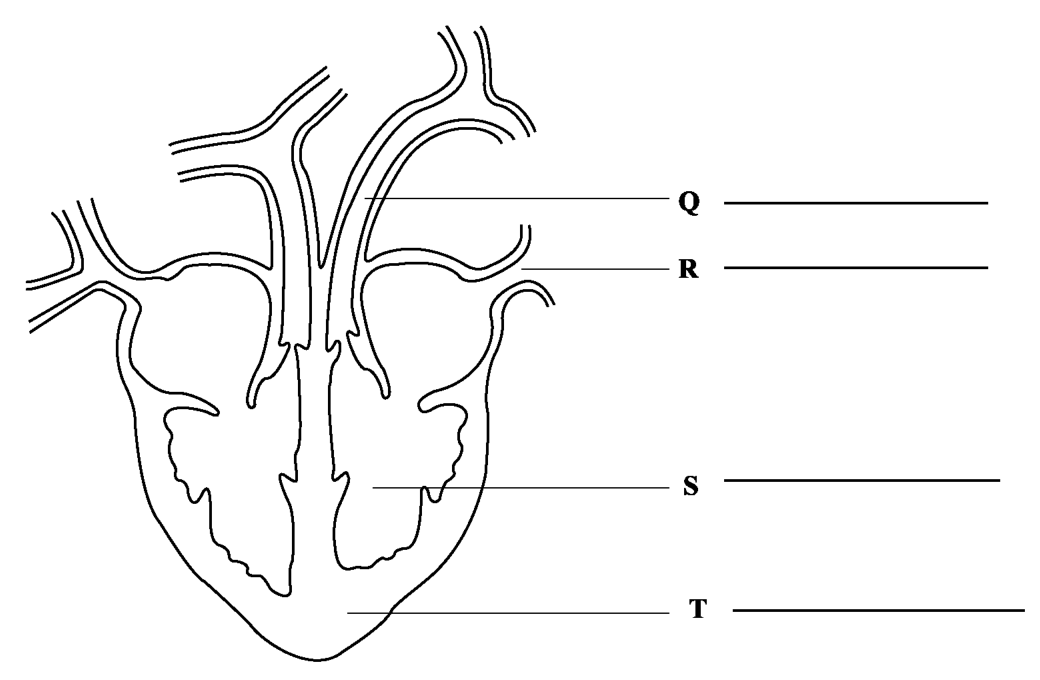
Figure 3 shows a diagram of the human heart.
Identify the structures labelled Q, R, S, and T. Write your answers in the spaces provided.
[4 marks]
State the MAJOR function of the heart.
[1 mark]
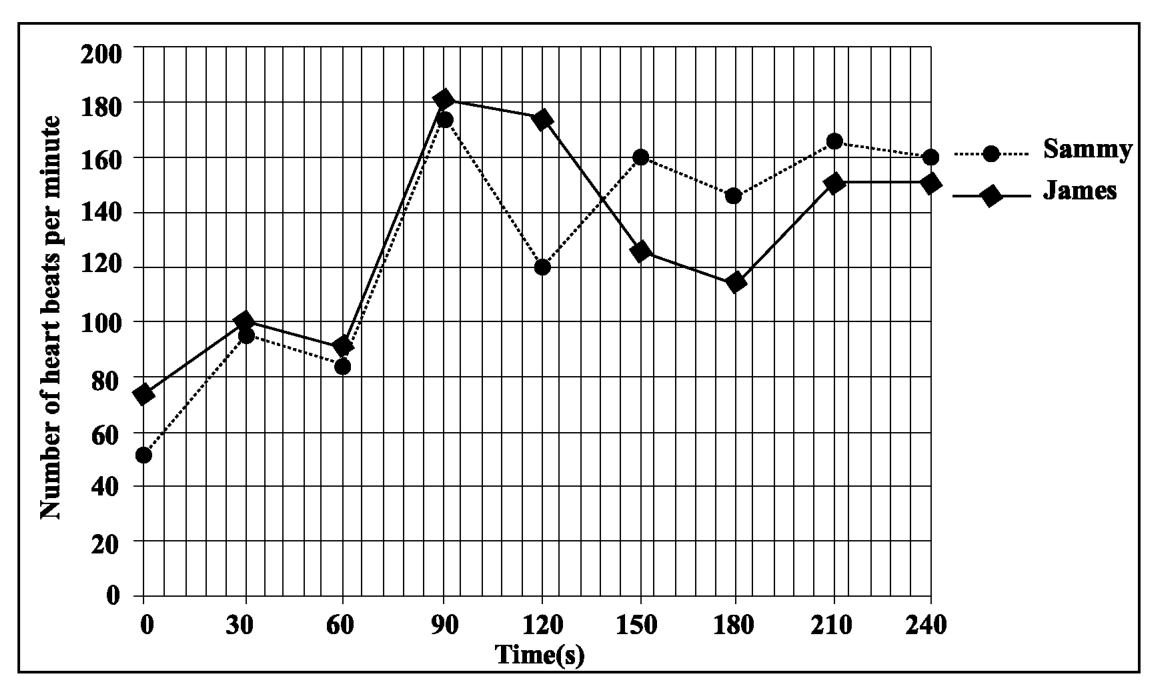
Sammy and James rested for a while, then started running back and forth across a playing field. The graph in Figure 4 shows the heart rate (number of heart beats per minute) for Sammy and James. The data for the graph were collected just after the boys started running.
[5 marks]
Using the graph in Figure 4, describe the general trend in the heart rate of the boys with time.
[1 mark]
Determine Sammy's heart rate at 150 seconds.
Sammy:
[1 mark]
What is the maximum heart rate experienced by James?
James:
[1 mark]
Suggest TWO reasons for the change in heart rate of the boys between 0 and 30 seconds.
[2 marks]
The rate of breathing may also be investigated while the heart rate is being monitored.
[2 marks]
How would Sammy's rib cage move, as he runs back and forth?
[1 mark]
How would Sammy's body benefit from the movement described in (c) (i) above?
[1 mark]
A gardener lights a heap of grass clippings, which started to produce smoke, next to the playing field where James and Sammy are running.
[3 marks]
A gardener lights a heap of grass clippings, which started to produce smoke, next to the playing field where James and Sammy are running.
Describe TWO possible side effects that the smoke may have on their respiratory system.
[2 marks]
State ONE negative effect of the gardener's action on the physical environment.
[1 mark]
What is the function of a simple machine?
[1 mark]
Name ONE simple machine other than the lever and pulley.
[1 mark]
State the formula for the 'mechanical advantage of a simple machine'.
[1 mark]
A mechanic uses a pulley to apply an effort of to lift a car engine of weight . Calculate the mechanical advantage of the pulley.
[2 marks]
The pulley made a squeaking sound when it was being used, so the mechanic lubricated the pulley. Explain why he now uses less effort to lift the load.
[2 marks]
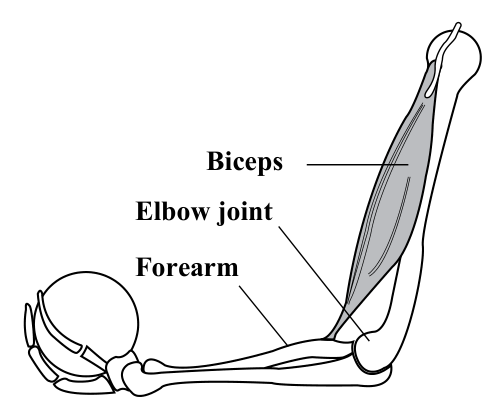
Figure 5 shows an arm on the completion of lifting an object.
[5 marks]
Explain why the action of the biceps, elbow joint and forearm during the lifting of the object can be referred to as a distance multiplier.
[4 marks]
Name the class of lever presented in Figure 5.
[1 mark]
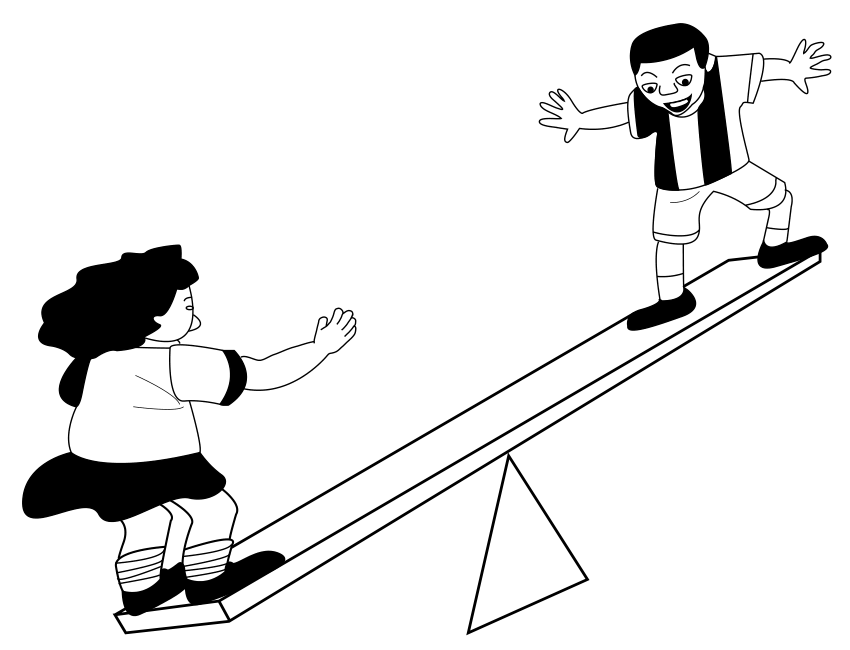
Figure 6 shows a see-saw where Tracey has lifted Ricaldo. Label on the diagram the effort, load and fulcrum.
[3 marks]
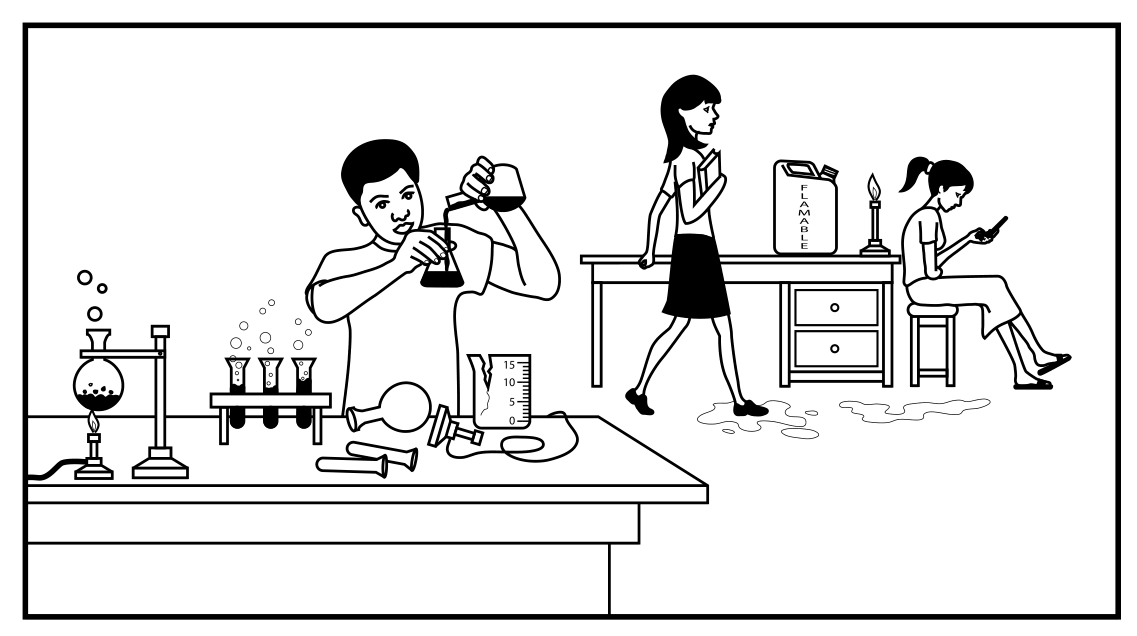
Safety is very important in any science laboratory. In the following illustration, identify THREE safety hazards and suggest ONE safety practice for EACH hazard identified.
[6 marks]
State ONE method that can be used to extinguish EACH of the following fires:
[2 marks]
A pot of oil accidentally catches fire in a restaurant. The chef quickly grabs a water hose to extinguish it. Is this an appropriate method to extinguish the fire? Explain your answer.
[2 marks]
State TWO possible causes of electrical shocks and identify appropriate methods to prevent them.
[4 marks]
Identify the hazard represented by the safety symbol in the illustration below.
[1 mark]
The Lee family lives on the outskirts of the capital city on a small, flat Caribbean island. Mrs Lee leaves home at 7 a.m. in her sports utility vehicle for a two-kilometre drive and drops off her eight-year-old son at school on her way to work in the city. Her journey takes one hour and she notices that traffic jams start earlier and continue all day on the city's streets. The Lees are burning fossil fuels in their cars which put carbon dioxide in the atmosphere.
Write your answer to Question 6 here.
[15 marks]
Suggest FOUR lifestyle changes that the Lee family can make to decrease the amount of carbon dioxide that they add to the atmosphere.
[4 marks]
Describe FOUR changes that the government can make to reduce the amount of carbon dioxide that the Lees add to the atmosphere.
[4 marks]
Name and describe the process by which green plants use carbon dioxide to make food.
[4 marks]
Describe THREE ways by which increasing levels of atmospheric carbon dioxide may negatively affect Caribbean people.
[3 marks]
| 2 |
| 17 |
| 4 |
| 17 |
| Carbohydrates | 5 | 17 | 5 | 17 |
| Total Energy in Food X | Total Energy in Food Y |