CSEC Chemistry Paper 1 May/June 2007 Questions
Every question from this paper as text. See the answers and worked solutions. Questions are the property of the Caribbean Examinations Council; Caribbean AI is not affiliated with CXC.
- 1.
Which of the following techniques may be used to separate a mixture of plant pigments into their individual components?
- (A)
Fractional distillation
- (B)
Solvent extraction
- (C)
Paper chromatography
- (D)
Centrifugation
- (A)
- 2.
The rate of a chemical reaction does NOT depend on the
- (A)
concentration of the reactants
- (B)
presence of a catalyst
- (C)
temperature of the reacting system
- (D)
energy change associated with the overall reaction
- (A)
- 3.
The arrangements of electrons in atoms of X and Y are 2, 8, 5 and 2, 8, 6 respectively. Which of the following represents X and Y?
- (A)
X: Metal Y: nonmetal
- (B)
X: Nonmetal Y: metal
- (C)
X: Nonmetal Y: metal
- (D)
X: Metal Y: nonmetal
- (A)
- 4.
In which group of the periodic table should Element P be placed?
- (A)
5
- (B)
4
- (C)
3
- (D)
2
- (A)
Items 4-5 refer to the following information.
5.The oxidation state of Element P would most probably be
- (A)
3
- (B)
+3
- (C)
5
- (D)
+5
- (A)
- 6.
Which of these elements has 7 electrons in its outer shell?
- (A)
Hydrogen
- (B)
Oxygen
- (C)
Nitrogen
- (D)
Chlorine
- (A)
- 7.
The ionic equation for the reaction between an acid and a carbonate may be represented as
- (A)
- (A)
- 8.
The quantity, '1 mole of atoms of an element,' refers to the mass of
- (A)
the element which combines completely with 12 g of carbon-12
- (B)
the element which contains atoms
- (C)
the element which occupies 24.0 dm³ at s.t.p.
- (D)
1 atom of the element
- (A)
Items 9-10 refer to the following method of preparing a sample of sodium chloride.
Three grams of sodium hydrogen carbonate are added to 100 cm³ of 0.2 mol dm³ hydrochloric acid. When effervescence ceases, the mixture is filtered and the filtrate heated until a saturated solution is obtained. The saturated solution is left to crystallise. (Rel. atomic mass: Na=23; H=1;C=12; O=16; Cl=35.5).
9.The number of moles of hydrochloric acid participating in this reaction is
- (A)
- (B)
- (A)
- 10.
The effervescence is caused by the evolution of
- (A)
oxygen
- (B)
carbon dioxide
- (C)
hydrogen
- (D)
hydrogen chloride
- (A)
- 11.
Isotopes of an element contain I. the same number of protons II. the same number of neutrons III. different numbers of electrons IV. the same number of protons as electrons
- (A)
I and II only
- (B)
I and IV only
- (C)
II and III only
- (D)
II and IV only
- (A)
- 12.
Which of the following processes suggests that matter is made up of minute particles?
- (A)
Diffusion
- (B)
Capillarity
- (C)
Evaporation
- (D)
Distillation
- (A)
- 13.
Which of the following is the correct formula for ammonium carbonate?
- (A)
- (B)
- (A)
- 14.
What substance, when added to pure water, significantly increases the water's conductivity?
- (A)
Graphite
- (B)
Iron (II) hydroxide
- (C)
Copper (II) hydroxide
- (D)
Sodium chloride
- (A)
- 15.
Which of the following statements BEST describes the formation of a metallic bond?
- (A)
Cations are held together by a sea of mobile electrons.
- (B)
Metal ions are held together by a sea of anions.
- (C)
Anions are held together by electrons.
- (D)
Metal atoms are held together by anions.
- (A)
- 16.
Covalent compounds can be formed between
- (A)
a metal and nonmetal
- (B)
a positive and a negative ion
- (C)
two identical nonmetal atoms, excluding the noble gases
- (D)
two identical nonmetal atoms, including the noble gases
- (A)
- 17.
is the oxide of a metal?
- (A)
Salt
- (B)
Base
- (C)
Alkali
- (D)
Acid
- (A)
- 18.
supplies protons as the only positive ions in aqueous solutions?
- (A)
Salt
- (B)
Base
- (C)
Alkali
- (D)
Acid
- (A)
- 19.
A substance that has a high melting point, is insoluble in water and does not conduct electricity in the solid or liquid state, has
- (A)
a metallic structure
- (B)
an ionic structure
- (C)
a giant covalent structure
- (D)
a simple molecular structure
- (A)
- 20.
When X and Y are stirred together in a beaker and the mixture filtered, X and Y are both present in the filtrate. Which of the following could describe the mixture formed by X and Y?
I. Solution II. Colloid III. Suspension
- (A)
I only
- (B)
III only
- (C)
I and II only
- (D)
II and III only
- (A)
- 21.
From which of the following can a solid be obtained by the process of sedimentation?
- (A)
Gels
- (B)
Emulsions
- (C)
Foams
- (D)
Suspensions
- (A)
- 22.
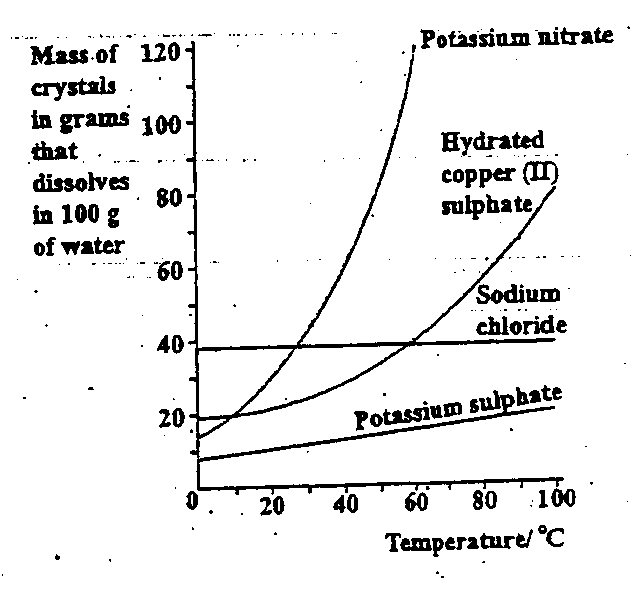
At approximately what temperature is the solubility of hydrated copper (II) sulphate and sodium chloride the same?
- (A)
25°C
- (B)
35°C
- (C)
45°C
- (D)
55°C
- (A)
- 23.
Which of the following salts is an acid salt?
- (A)
NaHSO₄
- (B)
Na₂SO₄
- (C)
Na₃PO₄
- (D)
Na₂CO₃
- (A)
- 24.
Acidified potassium manganate (VII) is
- (A)
a reducing agent
- (B)
an oxidising agent
- (C)
both an oxidising and reducing agent
- (D)
a dehydrating agent
- (A)
- 25.
Which of the following reactions involve oxidation and reduction?
I. Mg(s) + 2H⁺(aq) → Mg²⁺(aq) + H₂(g)
II. Mg(s) + 4H⁺(aq) + 2NO₃⁻(aq) → Mg²⁺(aq) + 2NO₂(g) + 2H₂O(l)
III. Ba²⁺(aq) + SO₄²⁻(aq) → BaSO₄(s)
IV. Zn(s) + Cu²⁺(aq) → Zn²⁺(aq) + Cu(s)
- (A)
I, II and III only
- (B)
I, III and IV only
- (C)
I, II and IV only
- (D)
II, III and IV only
- (A)
- 26.
Crystals of sodium chloride are BEST referred to as
- (A)
molecular crystals
- (B)
macromolecular crystals
- (C)
metallic crystals
- (D)
ionic crystals
- (A)
- 27.
In the anodising of an aluminium pot, which of the following is TRUE?
- (A)
Aluminium is the anode in the cell.
- (B)
The electrolyte is a solution of sodium chloride.
- (C)
Hydrogen is given off at the anode.
- (D)
A layer of aluminium hydroxide forms on the pot.
- (A)
- 28.
In an experiment, on heating 402g of mercury, a black powder with a mass of 434g is obtained (Rel. atomic mass: Hg = 201; O=16). The balanced equation representing this reaction is
- (A)
- (A)
Items 29-30 refer to the following acids. (A) Sulphuric acid (B) Hydrochloric acid (C) Nitric acid (D) Ethanoic acid
In answering Items 29-30, a particular choice from the above may be made more than once, once or not at all.
29.Which acid has a basicity of 2?
- (A)
Sulphuric acid
- (B)
Hydrochloric acid
- (C)
Nitric acid
- (D)
Ethanoic acid
- (A)
- 30.
is weakly ionised in aqueous solutions?
- (A)
Sulphuric acid
- (B)
Hydrochloric acid
- (C)
Nitric acid
- (D)
Ethanoic acid
- (A)
- 31.
Which of the following chemicals reacts with an acid, liberating a gas which turns lime water milky?
- (A)
Calcium carbonate
- (B)
Magnesium metal
- (C)
Barium chloride
- (D)
Methyl orange
- (A)
- 32.
Calcium, magnesium and barium are Group II metals. Which of the following is true of these metals when they react with cold water?
- (A)
Magnesium is more reactive than calcium.
- (B)
Calcium is more reactive than barium.
- (C)
Barium is more reactive than magnesium.
- (D)
There are no differences in reactivities.
- (A)
- 33.
Which of the following would allow the passage of an electric current through it?
- (A)
Solid potassium bromide
- (B)
Pure water
- (C)
Propane
- (D)
Aqueous sodium chloride solution
- (A)
Items 34-35 refer to the following terms. (A) Isomers (B) Polymers (C) Allotropes (D) Isotopes Match each of the following descriptions with one of the terms above. Each option may be used more than once, once or not at all.
34.Solid forms of a given element which differ in physical properties
- (A)
Isomers
- (B)
Polymers
- (C)
Allotropes
- (D)
Isotopes
- (A)
- 35.
Compounds having the same molecular formula but different structural formulae
- (A)
Isomers
- (B)
Polymers
- (C)
Allotropes
- (D)
Isotopes
- (A)
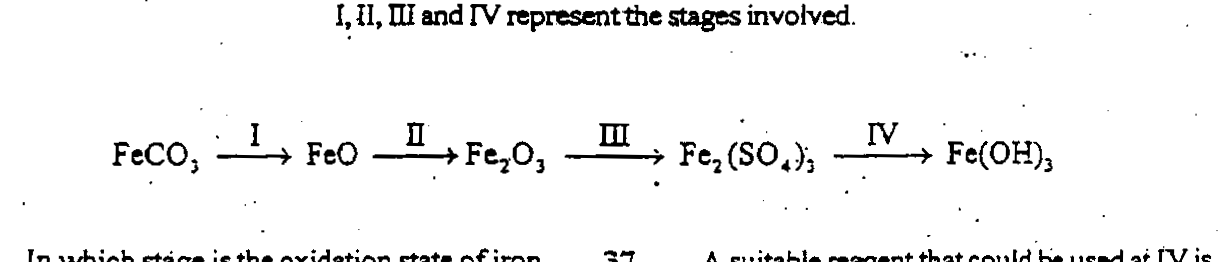
Items 36-37 refer to the following sequence of reactions involving iron compounds, where I, II, III and IV represent the stages involved. FeCO₃ --I--> FeO --II--> Fe₂O₃ --III--> Fe₂(SO₄)₃ --IV--> Fe(OH)₃
36.In which stage is the oxidation state of iron increased?
- (A)
I
- (B)
II
- (C)
III
- (D)
IV
- (A)
- 37.
A suitable reagent that could be used at IV is
- (A)
steam
- (B)
aqueous sodium hydroxide
- (C)
hydrogen
- (D)
solid copper oxide
- (A)
Item 38 refers to the Haber process for the production of ammonia, according to the equation N₂(g)+3H2(g)2NH2(g) AH = -92 kJ mol¹
38.The catalyst used in this process is
- (A)
iron
- (B)
nickel
- (C)
platinum
- (D)
vanadium (V) oxide
- (A)
- 39.
When copper (II) carbonate is heated alone in a dry test tube a gas is evolved and a black residue is formed. This gas is expected to
- (A)
relight a glowing splint
- (B)
turn red litmus blue
- (C)
decolourize acidified aqueous potassium manganate (VII)
- (D)
form a white precipitate with aqueous calcium hydroxide
- (A)
- 40.
Which of the following may be true of metals? I. They form solid chlorides. II. They generally form basic oxides. III. They conduct electricity only when molten.
- (A)
III only
- (B)
I and II only
- (C)
II and III only
- (D)
I, II and III
- (A)
- 41.
Which of the following is the MOST complete list of raw materials used in the extraction of iron?
- (A)
Air, coke, iron ore and limestone
- (B)
Air, coke, cryolite and limestone
- (C)
Coke, iron ore, bauxite and limestone
- (D)
Air, iron ore and limestone
- (A)
- 42.
The ability of an atom to form a cation increases
- (A)
across a period
- (B)
as electronegativity increases
- (C)
as electropositivity increases
- (D)
as the oxidation state increases
- (A)
- 43.
Copper and aluminium are both good conductors of electricity, but aluminium is preferred to copper for overhead electrical cables because
- (A)
aluminium is obtained in a very high degree of purity
- (B)
aluminium is lighter and resistant to corrosion
- (C)
copper, a transition metal, forms a coloured coating
- (D)
copper rapidly reacts with the gases present in.air
- (A)
- 44.
Which of the following substances forms dense white fumes with ammonia gas?
- (A)
Hydrogen
- (B)
Hydrogen chloride
- (C)
Nitrogen dioxide
- (D)
Oxygen
- (A)
- 45.
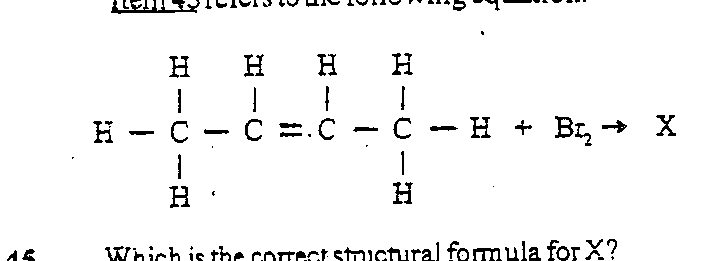
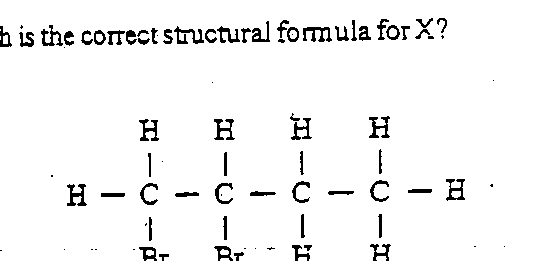
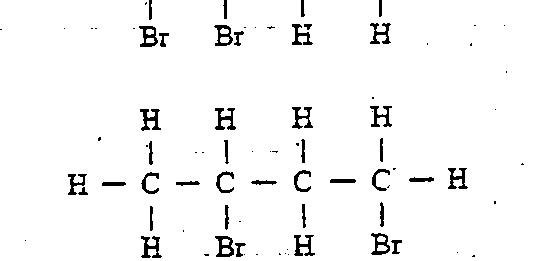
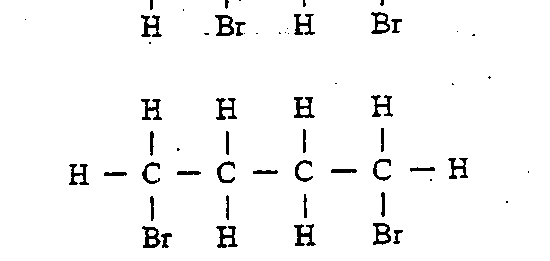
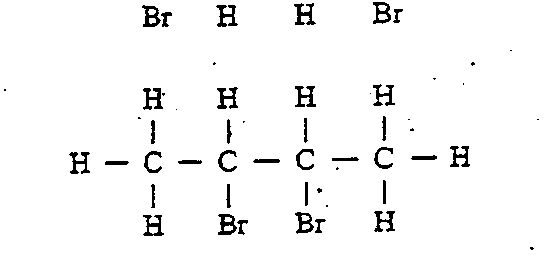
Which is the correct structural formula for X?
- (A)
- (B)
- (C)
- (D)
- (A)
- 46.
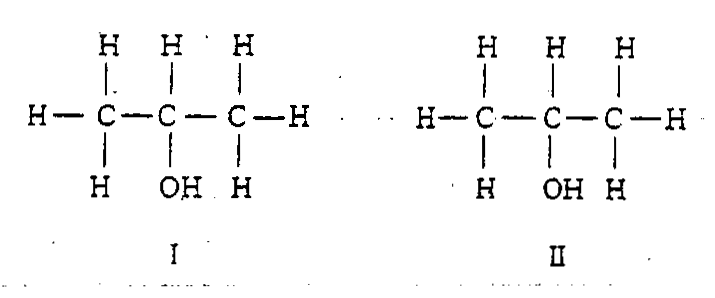
Compounds I and II are known as the
- (A)
isotopes of C₃H₈O
- (B)
isomers of C₃H₈O
- (C)
condensed formulae of C₃H₈O
- (D)
molecular formulae of C₃H₈O
- (A)
- 47.
Which of the following compounds is NOT a member of the alkene series?
- (A)
- (B)
- (A)
- 48.
Which of the following may be true of alkanes and alkenes? I. Both burn in air to give carbon dioxide and water. II. Alkanes undergo substitution reactions whilst alkenes undergo addition reactions. III. Alkanes are said to be saturated hydrocarbons whilst alkenes are unsaturated hydrocarbons.
- (A)
III only
- (B)
I and II only
- (C)
II and III only
- (D)
I, II and III
- (A)
- 49.
With which of the following does ethene show an addition reaction? I. Hydrogen II. Oxygen III. Hydrogen chloride IV. Bromine
- (A)
I and III only
- (B)
I and IV only
- (C)
II and IV only
- (D)
I, III and IV only
- (A)
Items 50-51 refer to the following compounds. I. Terylene II. Nylon III. Fats IV. Proteins
50.Which of the following compounds are synthetic?
- (A)
I and II only
- (B)
I and III only
- (C)
II and III only
- (D)
III and IV only
- (A)
- 51.
Items 50–51 refer to the following compounds. I. Terylene II. Nylon III. Fats IV. Proteins
Ester linkage exists in
- (A)
III only
- (B)
I and III only
- (C)
I and IV only
- (D)
II and IV only
- (A)
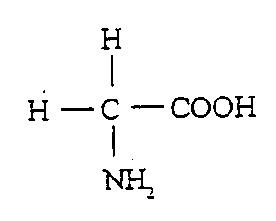
- 52.
Which of the following types of polymer may be derived from monomers of the type shown below?
- (A)
Polyamide
- (B)
Polyester
- (C)
Polyalkene
- (D)
Polysaccharide
- (A)
- 53.
Which of the following substances is a polysaccharide?
- (A)
Starch
- (B)
Insulin
- (C)
Sucrose
- (D)
Haemoglobin
- (A)
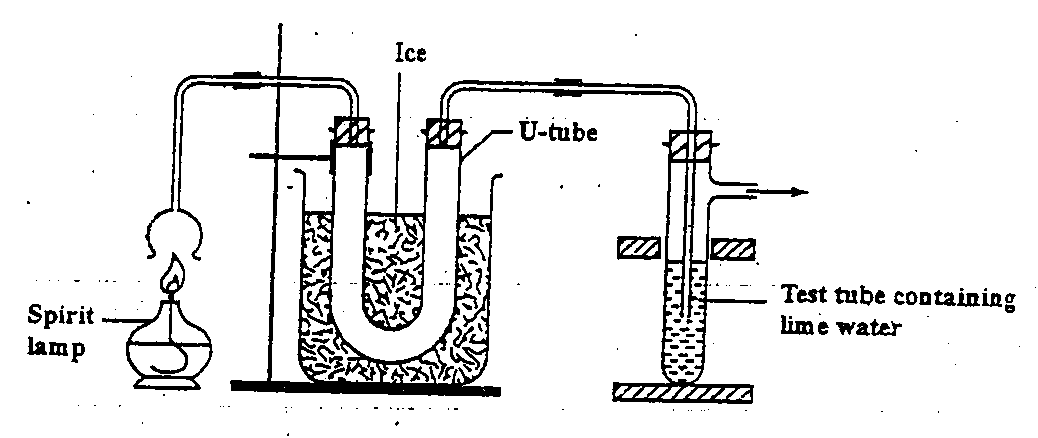
Items 54-55 refer to the following diagram, which shows how apparatus and materials are used to identify the products formed when ethanol burns.
54.Which of the following BEST describes what will be observed in the U-tube and the test tube at the end of the investigation?
- (A)
Colourless liquid / Carbon dioxide
- (B)
Water / White precipitate
- (C)
Colourless liquid / White precipitate
- (D)
Water / Carbon dioxide
- (A)
- 55.
If the ice were removed, which of the following would represent the equation for the reaction?
- (A)
- (A)
- 56.
When ethene reacts with steam the ethene is
- (A)
oxidised to carbon dioxide
- (B)
converted to ethanol
- (C)
converted to an ester
- (D)
decomposed to carbon.
- (A)
- 57.
The fermentation of sugars, using glucose as the substrate, can be represented by the equation
- (A)
- (A)
Items 58 - 59 refer to the following hydrocarbons. (A) Methane (B) Ethane (C) Propane (D) Butane
In answering Items 58 - 59, a particular choice from above may be used more than once, once or not at all.
Which hydrocarbon is the
58.major constituent of natural gas?
- (A)
Methane
- (B)
Ethane
- (C)
Propane
- (D)
Butane
- (A)
- 59.
source of hydrogen for the Haber process?
- (A)
Methane
- (B)
Ethane
- (C)
Propane
- (D)
Butane
- (A)
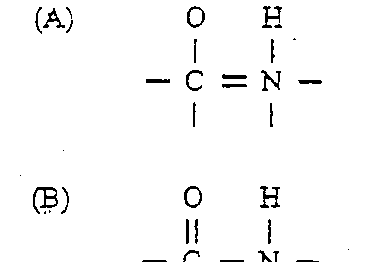
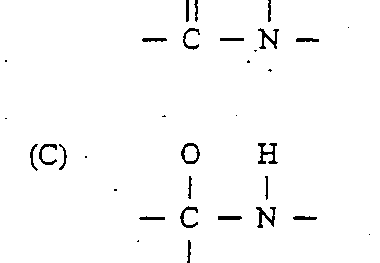
- 60.
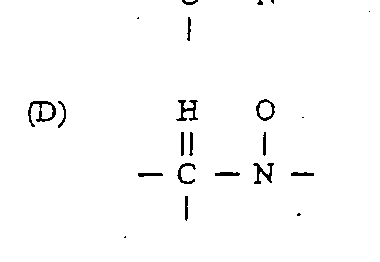
Which of the following represents the amide linkage?
- (A)
- (B)
- (C)
- (D)
- (A)