Free CXC Human and Social Biology Paper 2 May/June 2010 past paper from 2010. Includes a worked answer key. Open the PDF, take a timed test, and study with AI on Caribbean AI.
Answer keys are free on Caribbean AI. View the answers to every past-paper question at no cost - no payment needed - with step-by-step worked solutions and instant AI marking available on Premium.
CSEC Human and Social Biology Paper 2 May/June 2010 - Free CXC Past Paper with Answers
Free CXC Human and Social Biology Paper 2 May/June 2010 past paper from 2010. Includes a worked answer key. Open the PDF, take a timed test, and study with AI on Caribbean AI.
Opening the interactive papers…
Every question from this paper as text. See the answers and worked solutions. Questions are the property of the Caribbean Examinations Council; Caribbean AI is not affiliated with CXC.
Name THREE characteristics of living organisms, OTHER THAN growth.
[3 marks]
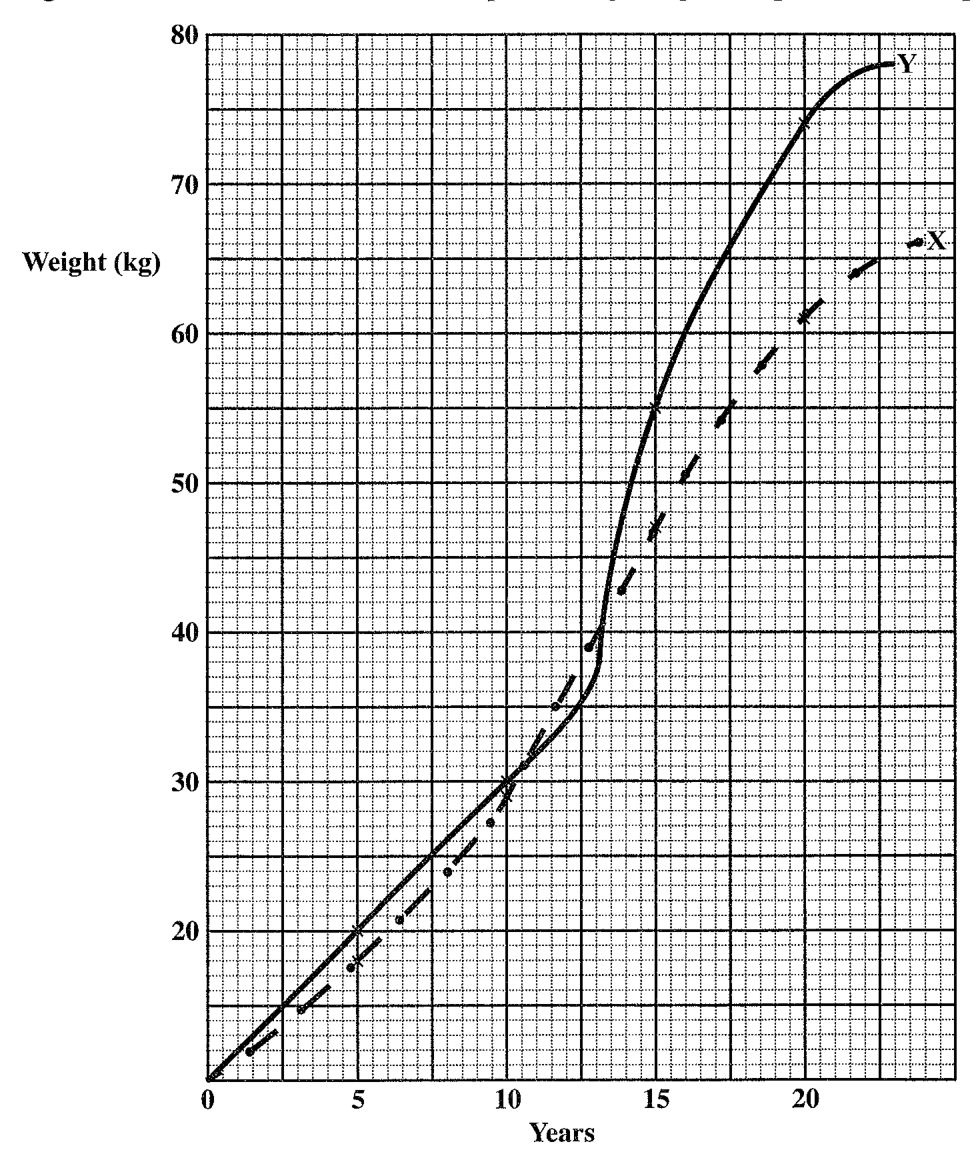
Figure 1 shows two lines X and Y, representing the growth pattern of two persons.
(i) Which line in Figure 1, X or Y, MOST likely represents the growth of a female? (ii) Give TWO reasons for your answer in (b)(i) above.
[4 marks]
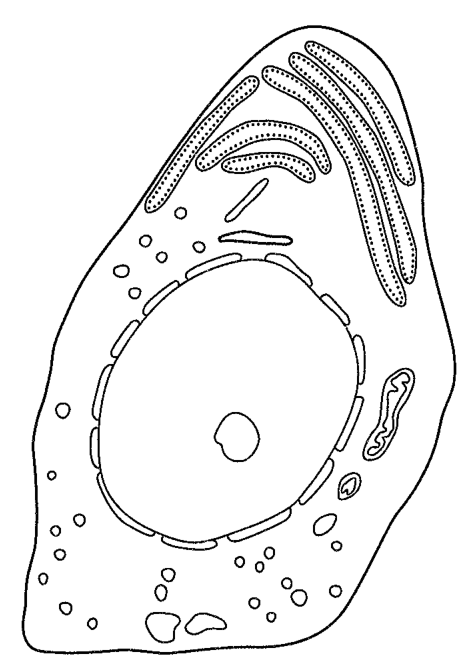
Growth involves an increase in the number and size of cells. Cells multiply by a process called mitosis. Label on Figure 2, the cell organelle in which the process of mitosis starts. Write the name of the cell organelle next to the label line.
[2 marks]
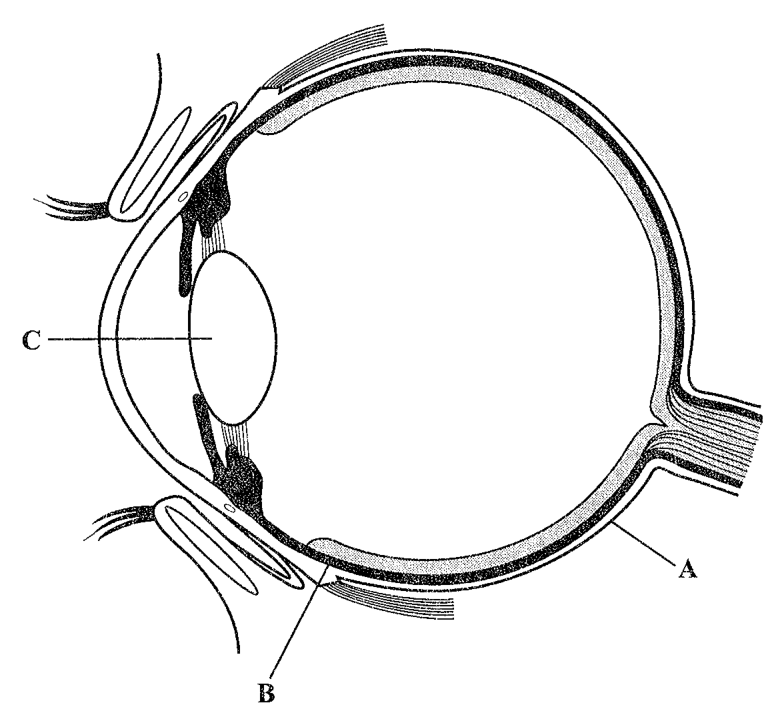
Figure 3 shows a section through the human eye.
Identify the parts labelled A, B and C in Figure 3. A: B: C:
[3 marks]
Ten-year-old Dwayne goes to the cinema with his father. On entering the dark room he cannot see anything.
(i) Explain how the cones which are sensitive to light, cause Dwayne’s ‘temporary blindness’. (ii) Explain how Dwayne’s eyes adjust in the dark to enable him to see to walk to his seat.
[3 marks]
What is the name of the process by which Dwayne’s eyes adjust to see near and far objects?
[1 mark]
Cartilage is a flexible connective tissue.
(i) State ONE function of cartilage and ONE area of the body in which it can be found. Function: Location:
[2 marks]
State ONE major difference between tendons and ligaments. Difference:
[1 mark]
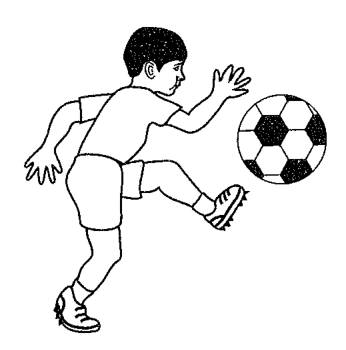
Figure 4 shows Roger, a four-year-old who has just discovered football. He is fascinated by how well he can kick the ball.
(i) Identify ONE type of joint that Roger would utilize to kick the ball. (ii) Put an X on Figure 4 to show the location of the type of joint identified in (b) (i) above.
[4 marks]
Roger is also able to throw the football during the game. This is possible because of the antagonistic muscles located in his upper arm.
(i) What is meant by the term ‘antagonistic muscles’? Explanation: (ii) Identify the antagonistic muscles in Roger’s upper arm and explain how these muscles work to allow him to throw the ball. Antagonistic muscles: Explanation:
[4 marks]
Complete the following sentences by writing the correct answer from the list provided in brackets. (antigens, antibodies, leucocytes, phagocytes, antitoxins)
Lymphocytes, a type of white blood cells, make substances called _______________ and _______________ to destroy pathogens like bacteria and viruses, and the toxins produced by the pathogens.
[2 marks]
The white blood cells which engulf pathogens are called _______________.
[1 mark]
Dr Mitchell is advised to take a typhoid vaccine before going on her trip to Africa.
Name the type of organism that causes typhoid.
[1 mark]
Identify ONE sign or symptom of typhoid disease.
[1 mark]
Dr Mitchell is administered a vaccine that gives her active immunity. Explain how this vaccine offers protection to Dr Mitchell.
[4 marks]
Suggest the type of drug that is effective in treating typhoid.
[1 mark]
Explain what is meant by EACH of the following terms:
Aerobic respiration
[1 mark]
Anaerobic respiration
[1 mark]
Name ONE waste product from cellular (tissue) respiration.
[1 mark]
Your teacher, Mr Sam, uses energy to erase the blackboard. Glucose is one of the substrates from which he gets the energy.
Suggest ONE OTHER substrate from which Mr Sam gets energy.
[1 mark]
In which cell organelle is energy released from the glucose?
[1 mark]
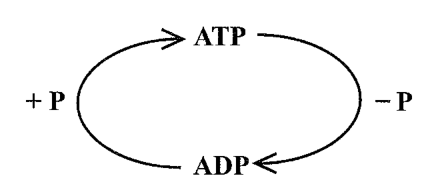
When energy is released from adenosine triphosphate (ATP), adenosine diphosphate (ADP) is formed. With the aid of Figure 5, explain the role of ATP and ADP in energy transfer.
[2 marks]
Mr Sam complains that he cannot teach night classes because he does not see well at night.
Name the vitamin that Mr Sam may be lacking to cause him not to see well at night.
[1 mark]
Suggest TWO foods from which Mr Sam can get the vitamin named in (d) (i) above.
[2 marks]
Enzymes are biological catalysts that assist in the digestion of food.
(i) Name TWO enzymes present in the human stomach.
[2 marks]
State the type of food that is broken down by salivary amylase.
[1 mark]
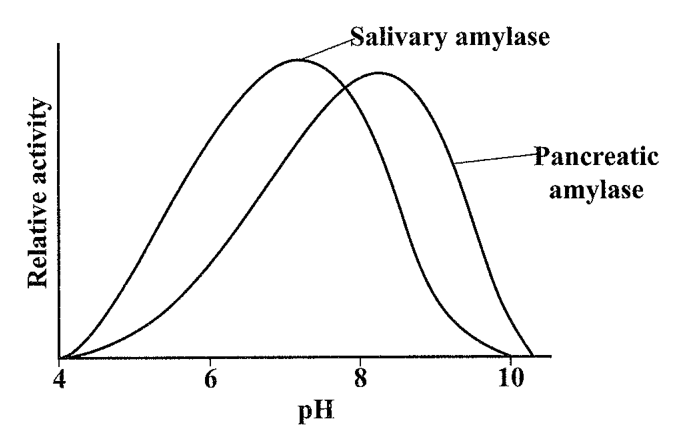
Figure 6 shows the activity of two enzymes, salivary amylase and pancreatic amylase, at different pH levels.
(i) At what pH does salivary amylase function BEST?
[1 mark]
Identify TWO pH values at which salivary amylase activity stops (is zero).
[2 marks]
Explain why salivary amylase stops functioning when it reaches the stomach.
[2 marks]
In what kind of pH conditions, acidic or alkaline, does pancreatic amylase function BEST?
[1 mark]
Name the chemical that helps in providing the ideal pH for pancreatic amylase to function in the human body.
[1 mark]
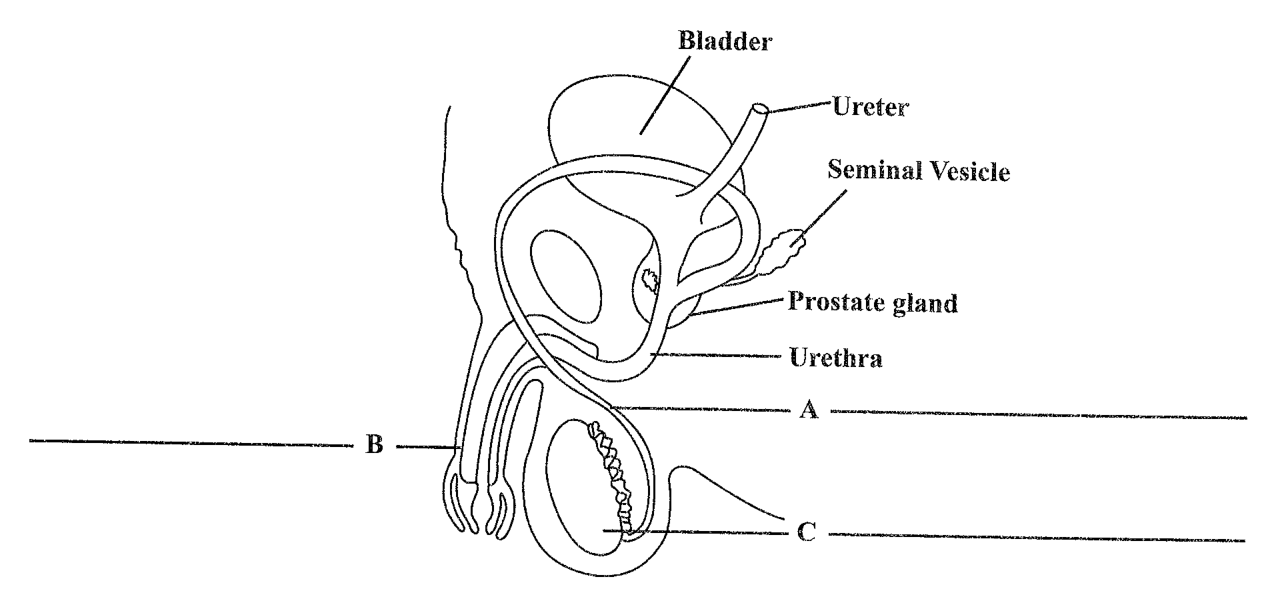
Figure 7 is a diagram of the reproductive tract of a human male. Identify the parts labelled A, B and C. Write your answer on Figure 7.
[3 marks]
Grandpa Tom is admitted to hospital with prostate cancer.
(i) Which structure in the urinary system is MOST likely blocked?
[1 mark]
Suggest how the cancer may affect his urination.
[2 marks]
In discussing birth control methods with his grandson, Marc, Grandpa Tom advises that the contraceptive pill is more reliable than the rhythm method.
[10 marks]
Explain why the contraceptive pill is more reliable than the rhythm method.
[3 marks]
Suggest ONE benefit to Marc of keeping his family small.
[1 mark]
Explain what is meant by EACH of the following terms:
[2 marks]
Genetic variation
[1 mark]
Environmental variation
[1 mark]
What does the abbreviation, DNA, mean?
[1 mark]
Sickle-cell anaemia is a genetic disease.
[4 marks]
How does the structure of the red blood cells of a person suffering from sickle-cell anaemia differ from the structure of a normal red blood cell.
[2 marks]
Explain how sickle-cell anaemia affects an individual.
[2 marks]
Albinism is an inherited condition in which the individual lacks melanin, and, therefore, has white hair and white skin. This condition arises from the inheritance of two recessive alleles. Using a genetic diagram, show how normal parents can produce an albino child. Use 'A' to represent the dominant allele for albinism and 'a' to represent the recessive allele.
Parents: genotype: phenotype:
[3 marks]
Name the causative agent for EACH of the following diseases:
[3 marks]
Genital herpes
[1 mark]
Gonorrhoea
[1 mark]
AIDS
[1 mark]
A pregnant woman is diagnosed with genital herpes. Suggest TWO effects this may have on her baby.
[2 marks]
Your class is conducting an education campaign on sexually transmitted infections. Present TWO pieces of advice which will assist in limiting the spread of sexually transmitted infections.
[4 marks]
Suggest ONE drawback in the use of antiviral drugs for the treatment of AIDS in the Caribbean.
[1 mark]
The activities of human beings have led to serious problems of pollution.
[10 marks]
Name THREE types of pollution.
[3 marks]
Eutrophication is caused by pollutants, mainly nitrates and phosphates, in waterways.
[4 marks]
What is meant by the term 'eutrophication'?
[1 mark]
Suggest how detergents, sewage and agricultural activities lead to eutrophication.
Detergents: Sewage: Agricultural activities:
[3 marks]
When sewage is not disposed of properly it can cause diseases in human beings.
[3 marks]
Identify TWO diseases which may be caused by coming into contact with untreated sewage.
[2 marks]
Suggest ONE method of proper sewage disposal.
[1 mark]
SECTION B
Answer ANY TWO questions.
Write your answers on the pages provided on the end of this booklet.
[20 marks]
A chronic disease is the name given to a long-term illness.
[5 marks]
Name THREE chronic diseases OTHER THAN diabetes mellitus.
[2 marks]
Identify TWO non-drug forms of therapy used in the treatment of chronic diseases.
[3 marks]
Mr Ram observes that his blood pressure increases as his weight increases above normal.
[12 marks]
Suggest why blood pressure increases as weight increases above normal.
[3 marks]
Explain how high blood pressure may affect Mr Ram.
[4 marks]
Suggest how Mr Ram's overweight can lead to diabetes mellitus.
[5 marks]
Alcoholism is considered a disease. Explain how alcohol, as a depressant drug, affects the human body.
[3 marks]
SECTION B
Answer ANY TWO questions.
Write your answers on the pages provided on the end of this booklet.
[20 marks]
Explain what is meant by EACH of the following terms:
[5 marks]
Fertilisation
[2 marks]
Ovulation
[2 marks]
Sexual reproduction
[1 mark]
Michelle's mother is pregnant and is expecting to have her baby in about six month's time. During her antenatal visits to the clinic, she is given advice about having a healthy baby. Suggest what advice the nurse may have given Michelle's mother about
[9 marks]
diet
[4 marks]
health.
[5 marks]
Michelle's mother advises Michelle about caring for her teeth. Explain how Michelle can care for her teeth, to reduce cavities and gum diseases.
[6 marks]
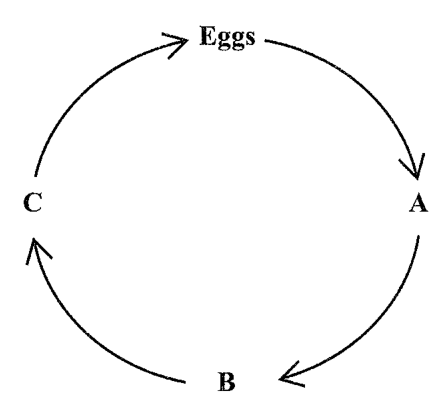
Figure 8 shows the incomplete life cycle of the housefly.
(i) Name the stages labelled A, B and C. (ii) Identify the feeding stage and the non-feeding stage.
Name the stages labelled A, B and C.
[3 marks]
Identify the feeding stage and the non-feeding stage.
[2 marks]
After Hurricane Ike in 2008, there was an outbreak of cholera, followed by an outbreak of gastroenteritis. Suggest THREE possible reasons why these disease outbreaks occurred.
[6 marks]
A neighbour has been diagnosed with ringworm on his skin. Describe the appearance of ringworm on the skin, and state the type of organism that causes ringworm. (i) Your friend has athlete's foot and tells you that it is ringworm. Identify TWO symptoms of athlete's foot. (ii) Suggest how the spread of ringworm can be controlled, and how the disease can be treated.
[9 marks]
Your friend has athlete's foot and tells you that it is ringworm. Identify TWO symptoms of athlete's foot.
[3 marks]
Suggest how the spread of ringworm can be controlled, and how the disease can be treated.
[6 marks]
Define EACH of the following terms: (i) Digestion (ii) Excretion (iii) Egestion
[3 marks]
Digestion
[1 mark]
Excretion
[1 mark]
Egestion
[1 mark]
(i) State the function of roughage in the human body. (ii) Name ONE food which has a high roughage content.
[2 marks]
State the function of roughage in the human body.
[1 mark]
Name ONE food which has a high roughage content.
[1 mark]
You ate a chicken sandwich with a lettuce salad. Explain how the end-products of the digestion of your meal are utilized in the body.
[7 marks]
The skin has an excretory function, as well as other functions. Mr Goodman was burnt in an accident and lost most of the skin on his upper body. (i) Explain how his skin would have assisted in maintain a constant body temperature. (ii) Suggest why Mr Goodman is more likely to be infected by pathogens.
[8 marks]
Explain how his skin would have assisted in maintain a constant body temperature.
[4 marks]
Suggest why Mr Goodman is more likely to be infected by pathogens.
[4 marks]