CSEC Physics Paper 2 May/June 2018 - Free CXC Past Paper with Answers
Free CXC Physics Paper 2 May/June 2018 past paper from 2018. Includes a worked answer key. Open the PDF, take a timed test, and study with AI on Caribbean AI.
Answer keys are free on Caribbean AI. View the answers to every past-paper question at no cost - no payment needed - with step-by-step worked solutions and instant AI marking available on Premium.
- All CSEC Past Papers
- CSEC Physics Past Papers
- CSEC Physics Paper 2 May/June 2026
- CSEC Physics Paper 2 January 2026
- CSEC Physics Paper 2 May/June 2025
- CSEC Physics Paper 2 January 2025
- CSEC Physics Paper 2 January 2024
- CSEC Physics Paper 2 May/June 2024
- CSEC Physics Paper 2 January 2023
- CSEC Physics Paper 2 May/June 2023
- CSEC Physics Paper 2 May/June 2022
- CSEC Physics Paper 2 January 2022
- CSEC Physics Paper 2 January 2021
- CSEC Physics Paper 2 May/June 2021
- CSEC Physics Paper 2 January 2020
- CSEC Physics Paper 2 January 2019
- CSEC Physics Paper 2 May/June 2019
- CSEC Physics Paper 2 January 2018
- CSEC Physics Paper 2 May/June 2017
- CSEC Physics Paper 2 January 2016
- CSEC Physics Paper 2 May/June 2016
- CSEC Physics Paper 2 May/June 2015
- CSEC Physics Paper 2 January 2015
- CSEC Physics Paper 2 May/June 2014
- CSEC Physics Paper 2 January 2014
- CSEC Physics Paper 2 January 2013
- CSEC Physics Paper 2 May/June 2013
- CSEC Physics Paper 2 January 2012
- CSEC Physics Paper 2 May/June 2012
- CSEC Physics Paper 2 May/June 2011
- CSEC Physics Paper 2 May/June 2010
- CSEC Physics Paper 2 May/June 2009
- CSEC Physics Paper 2 May/June 2008
- CSEC Physics Paper 2 May/June 2007
- CSEC Physics Paper 2 May/June 2006
- CSEC Physics Paper 2 January 2006
- CSEC Physics Paper 2 May/June 2005
- CSEC Physics Paper 2 January 2004
- CSEC Physics Paper 2 January 2003
CSEC Physics Paper 2 May/June 2018 - Free CXC Past Paper with Answers
Free CXC Physics Paper 2 May/June 2018 past paper from 2018. Includes a worked answer key. Open the PDF, take a timed test, and study with AI on Caribbean AI.
Opening the interactive papers…
- All CSEC Past Papers
- CSEC Physics Past Papers
- CSEC Physics Paper 2 May/June 2026
- CSEC Physics Paper 2 January 2026
- CSEC Physics Paper 2 May/June 2025
- CSEC Physics Paper 2 January 2025
- CSEC Physics Paper 2 January 2024
- CSEC Physics Paper 2 May/June 2024
- CSEC Physics Paper 2 January 2023
- CSEC Physics Paper 2 May/June 2023
- CSEC Physics Paper 2 May/June 2022
- CSEC Physics Paper 2 January 2022
- CSEC Physics Paper 2 January 2021
CSEC Physics Paper 2 May/June 2018 Questions
Every question from this paper as text. See the answers and worked solutions. Questions are the property of the Caribbean Examinations Council; Caribbean AI is not affiliated with CXC.
Question 1 (25 marks)
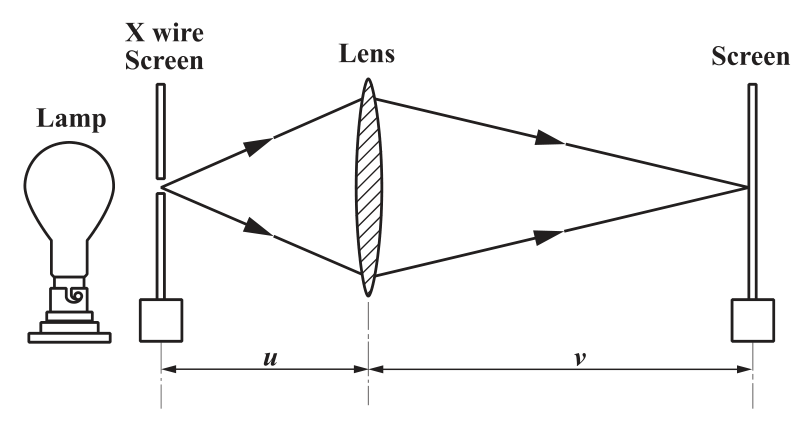
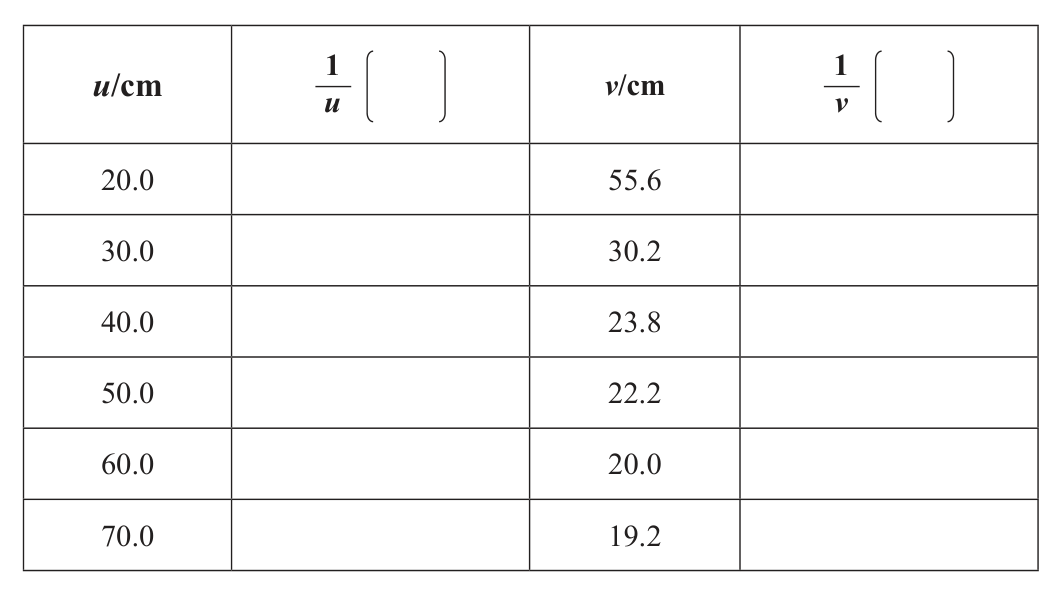
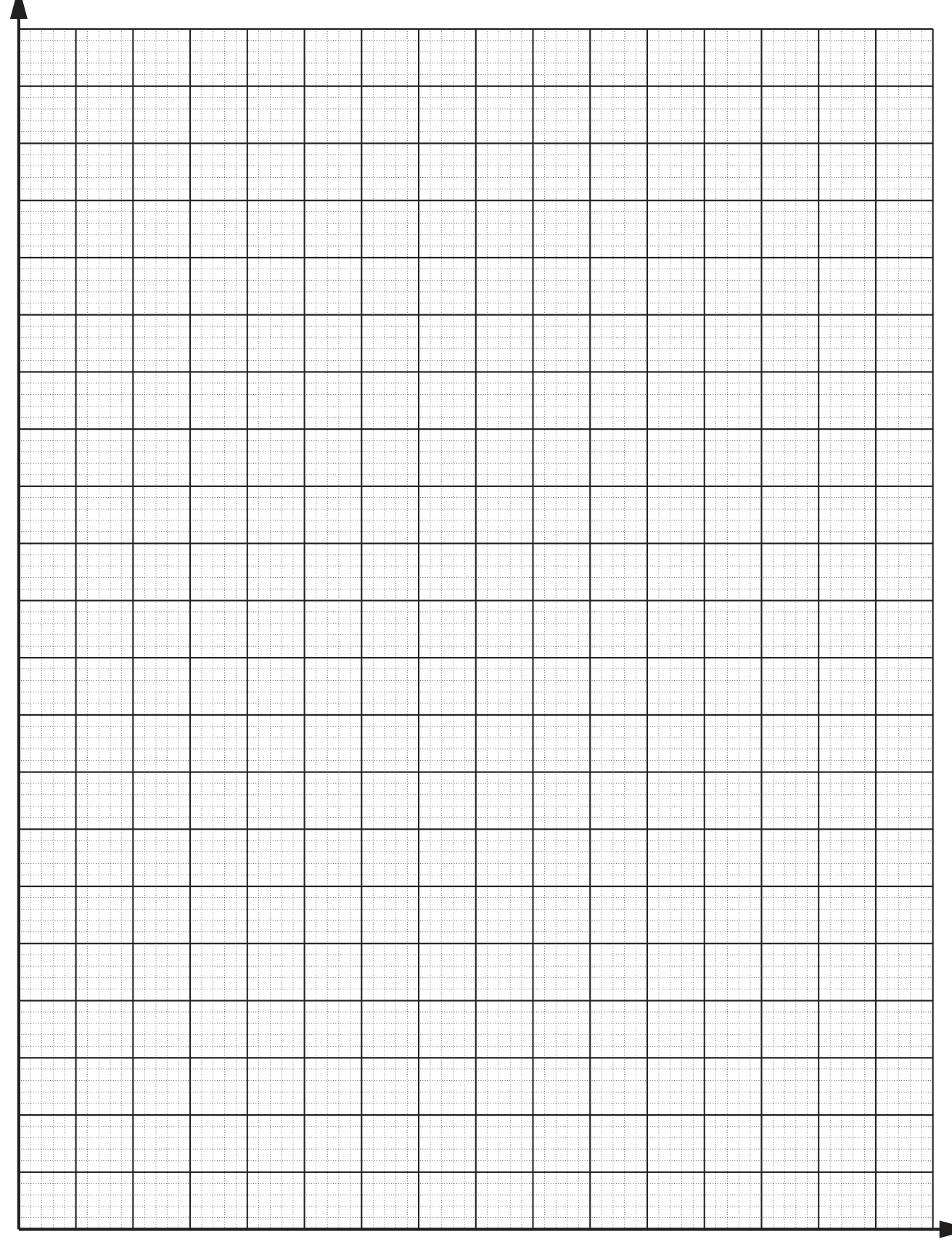
Complete Table 1 to show values for and . [Include units and calculate to three significant figures.]