Free CXC Biology Paper 2 January 2024 past paper from 2024. Includes a worked answer key. Open the PDF, take a timed test, and study with AI on Caribbean AI.
Answer keys are free on Caribbean AI. View the answers to every past-paper question at no cost - no payment needed - with step-by-step worked solutions and instant AI marking available on Premium.
CSEC Biology Paper 2 January 2024 - Free CXC Past Paper with Answers
Free CXC Biology Paper 2 January 2024 past paper from 2024. Includes a worked answer key. Open the PDF, take a timed test, and study with AI on Caribbean AI.
Opening the interactive papers…
Every question from this paper as text. See the answers and worked solutions. Questions are the property of the Caribbean Examinations Council; Caribbean AI is not affiliated with CXC.
Roy and his friends visited a new roti shop in their neighbourhood and purchased roti (round flatbread made of wheat flour, water and oil) and chicken curry. Dining was not permitted on the premises, so they went to Roy's home and ate the roti and chicken curry there.
Name TWO substances that are produced when EACH of the following foods is digested. (i) Roti (ii) Chicken
[4 marks]
Roti
[2 marks]
Chicken
[2 marks]
Roy is a diabetic who enjoys eating roti and chicken curry, so he eats TWO portions daily.
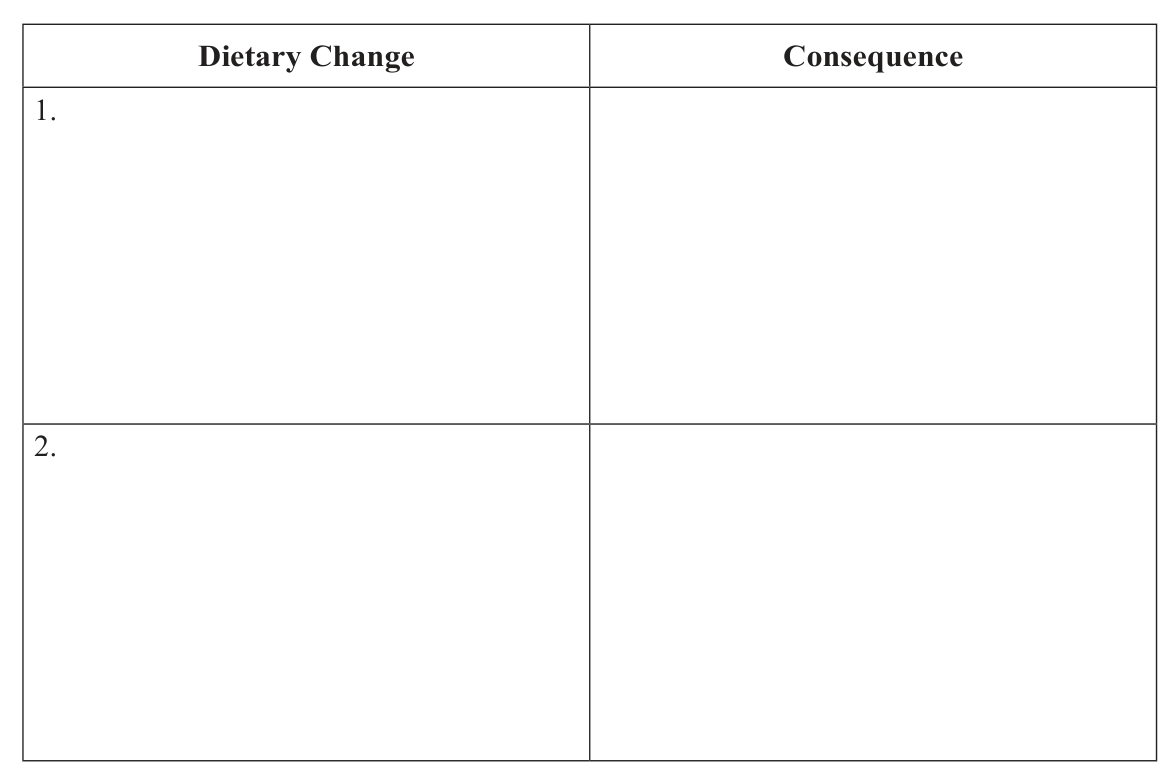
In Table 1 below, (i) suggest TWO dietary changes that Roy should make to manage his diabetes (ii) state ONE consequence that may occur if EACH dietary change suggested in (b) (i) is not followed.
| Dietary Change | Consequence |
|---|---|
| 1. | |
| 2. |
[4 marks]
Excess glucose in the blood of a healthy person can be converted to glycogen and stored. Explain why this process is NOT efficient in diabetic patients.
[2 marks]
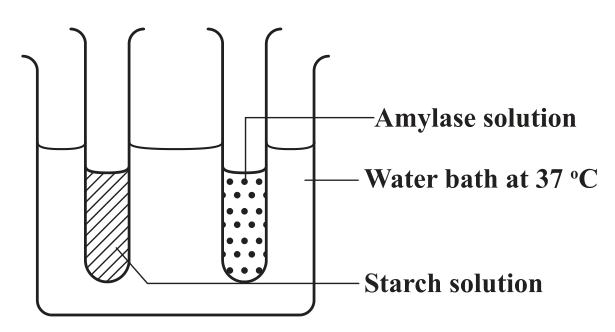
An experiment to investigate digestion was set up, as shown in Figure 1 below, and left for 15 minutes.
Figure 1. Investigation of digestion
The procedure outlined below was used to carry out the investigation.
Procedure
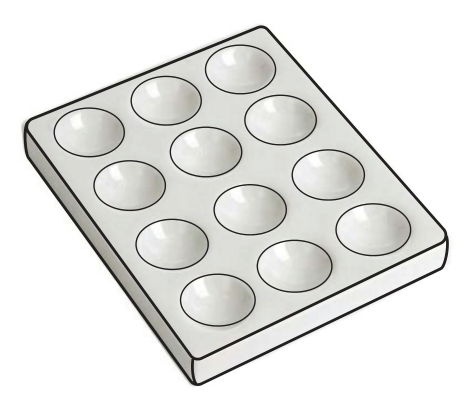
Figure 2. Spotting tile used in experiment
Suggest ONE reason why the starch/amylase mixture was kept in the water bath.
[1 mark]
State ONE reason why the experiment requires the solutions to be kept at the same temperature.
[1 mark]
Suggest ONE reason why the starch and amylase solutions were not immediately mixed at the beginning of the experiment.
[1 mark]
Suggest a suitable aim of the experiment.
[1 mark]
Name a reagent that may be used to identify the substance ('mixture') remaining in the test tube after 20 minutes.
[1 mark]
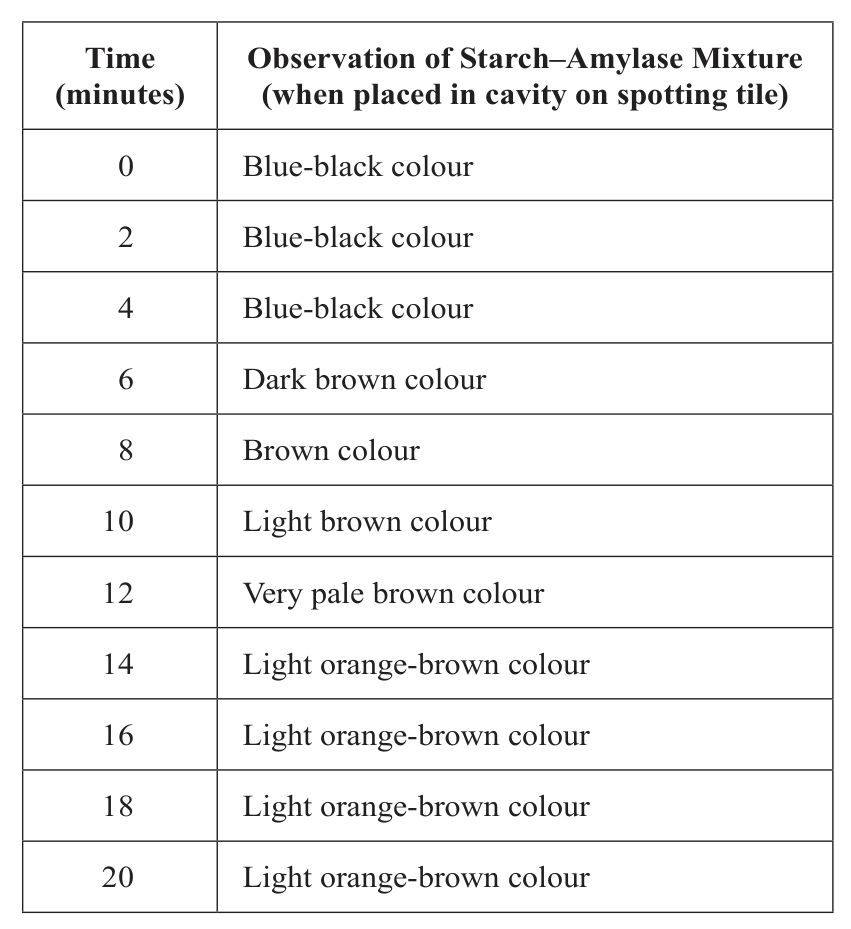
The results of the investigation are shown in Table 2.
TABLE 2: RESULTS OF EXPERIMENT
Using the results in Table 2, determine how many minutes it took for the digestion of starch by amylase to be completed.
[1 mark]
Explain your answer to (d) (v).
[2 marks]
State what you would expect to observe in the cavity if another drop of the mixture is added to the drop of iodine after 22 minutes.
[1 mark]
List THREE precautions that should be taken when setting up and carrying out the experiment.
[3 marks]
Suggest a suitable conclusion for the experiment.
[1 mark]
State if results similar to those in Table 1 would be expected, if the starch solution in the experiment is replaced by roti.
[1 mark]
Suggest ONE reason for your answer in (d) (xi).
[1 mark]
Define the term 'photosynthesis'.
[2 marks]
Write a balanced chemical equation for the process of photosynthesis.
[2 marks]
Describe the movement of water from the soil to the photosynthetic cells of the plant.
[2 marks]
Distinguish between the role of the intercellular air space and that of the stomatal pore of the leaf in the process of photosynthesis.
[2 marks]
Explain why the rate of photosynthesis decreases on a very hot day.
[2 marks]
State ONE role of chlorophyll in photosynthesis.
[1 mark]
Outline TWO ways in which photosynthesis is important to living things.
[4 marks]
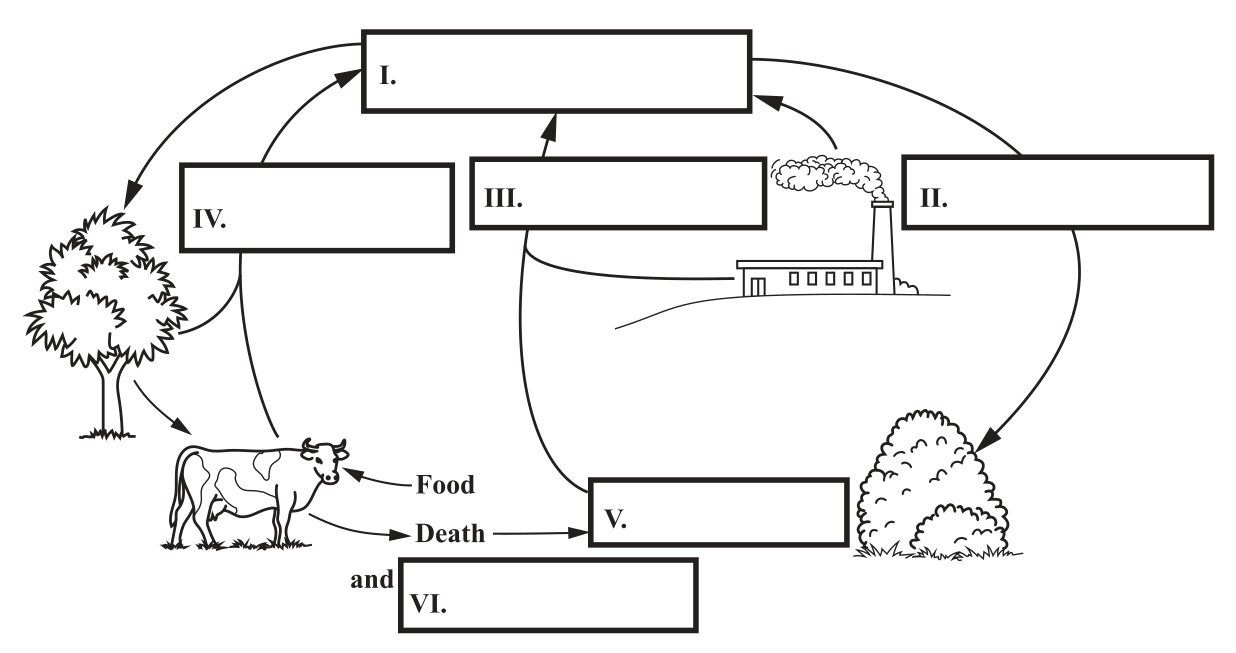
Figure 3 below is a diagram of the carbon cycle. Complete Figure 3 by inserting the names of the processes or substances in the numbered spaces provided.
[4 marks]
Figure 3 below is a diagram of the carbon cycle. Complete Figure 3 by inserting the names of the processes or substances in the numbered spaces provided.
[3 marks]
State ONE reason why carbon is important to living things.
[1 mark]
Define the following terms as they relate to the preservation and conservation of the environment.
[3 marks]
Reuse
[1 mark]
Reduce
[1 mark]
Recycle
[1 mark]
Daisy, the latest disassembly robot from Apple, is able to recover aluminium, gold, silver, copper and other metals from iPhone devices.
Suggest TWO advantages of recycling metals from iPhones.
[2 marks]
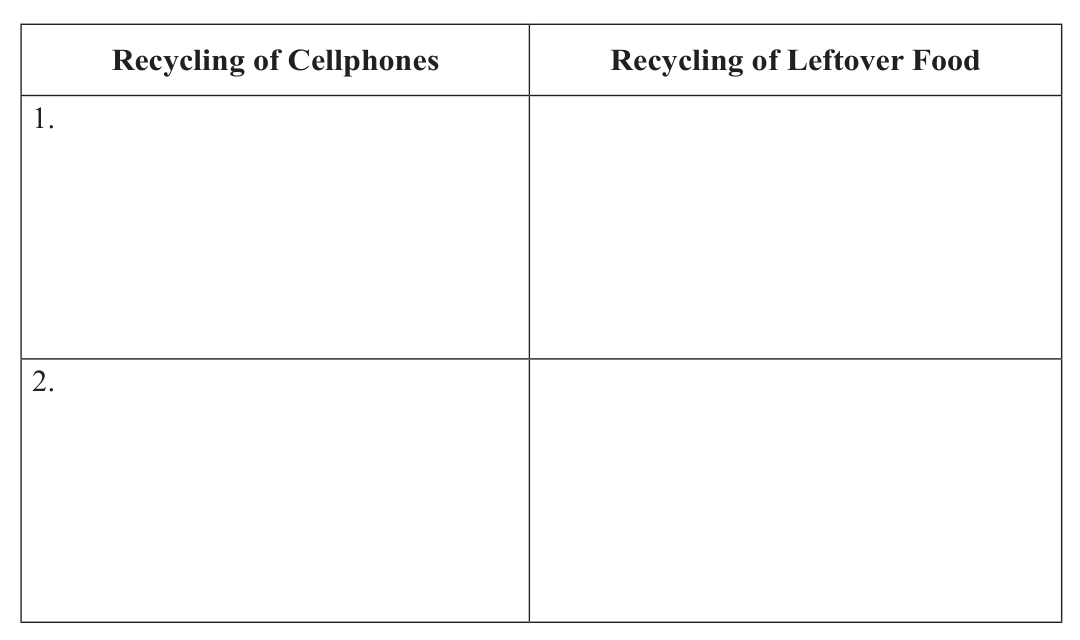
Complete Table 3 below by explaining TWO ways in which the recycling of cellphones differs from the recycling of leftover food.
| Recycling of Cellphones | Recycling of Leftover Food |
|---|---|
| 1. | |
| 2. |
[4 marks]
Suggest TWO ways in which the recycling of a tree, after it is cut down, can be beneficial to a community.
[2 marks]
Answer ALL questions.
Write your answers in the spaces provided in this booklet.
[15 marks]
Define the term 'transpiration'.
[1 mark]
State TWO reasons why transpiration is important to plants.
[2 marks]
List THREE factors, other than temperature, which may affect the rate of transpiration.
[3 marks]
For EACH of the THREE factors listed in (c), explain how it affects the rate of transpiration.
[6 marks]
Explain ONE way in which climate change can negatively impact the agriculture sector in the Caribbean region.
[2 marks]
Suggest ONE way in which countries can reduce or slow down the occurrence of climate change.
[1 mark]
Define EACH of the following terms.
[3 marks]
Gene
[1 mark]
Allele
[1 mark]
Chromosome
[1 mark]
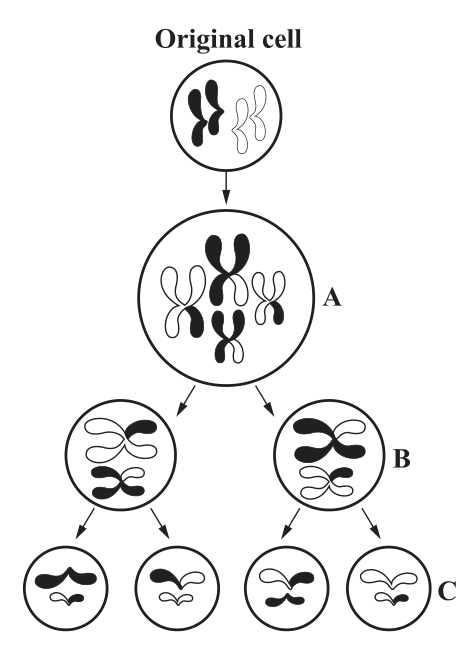
Figure 4 shows the process of meiosis. In the figure, two homologous pairs of chromosomes are shown in the original cell.
With reference to Figure 4, describe the events occurring at the areas marked A, B and C. A B C
[3 marks]
Suggest ONE consequence that may occur if meiosis does not occur as illustrated in Figure 4.
[1 mark]
Meiosis is important because it causes genetic variation. Suggest ONE reason why genetic variation is important to speciation.
[1 mark]
The height of pea plants is controlled by a single gene which has two alleles. A tall purebred pea plant is crossed with another pea plant and all of the offspring have the same phenotype. With the use of a genetic diagram, state the phenotype of the offspring.
Define the alleles. Parents' phenotype. Parents' genotype. Cross.
[7 marks]
The human skin is responsible for temperature regulation. State ONE other function of the human skin.
[1 mark]
John took his temperature in the morning and it was normal. At midday, while gardening, he took his temperature again and it was also normal. John is surprised that his temperature remained normal despite being in the sun all afternoon.
Explain TWO ways in which two different structures in John's skin functioned to regulate his body temperature while he was gardening.
[4 marks]
Jan is Caucasian and her husband, Anthony, is African-American. They recently returned from a vacation in the Caribbean. While they both applied sunscreen daily, Jan was a bit more cautious and, unlike her husband, frequently reapplied her sunscreen during the day.
Explain ONE reason why Jan needed to be more cautious than her husband and why she frequently reapplied her sunscreen.
[2 marks]
The kidney is responsible for maintaining homeostasis. Describe, with reference to a named hormone, how the kidney achieves homeostasis on a hot day.
[5 marks]
Define the term 'homeostasis'.
[1 mark]
James has had hypertension for the last ten years. Recently, he developed kidney failure.
[3 marks]
Suggest TWO consequences that James could experience due to his kidney failure.
[2 marks]
Suggest ONE way in which James could have avoided developing kidney failure.
[1 mark]